Area X.O highlights defence-related drone and robotics testing site

Area X.O highlights defence-related drone and robotics testing site

By Scott Simmie


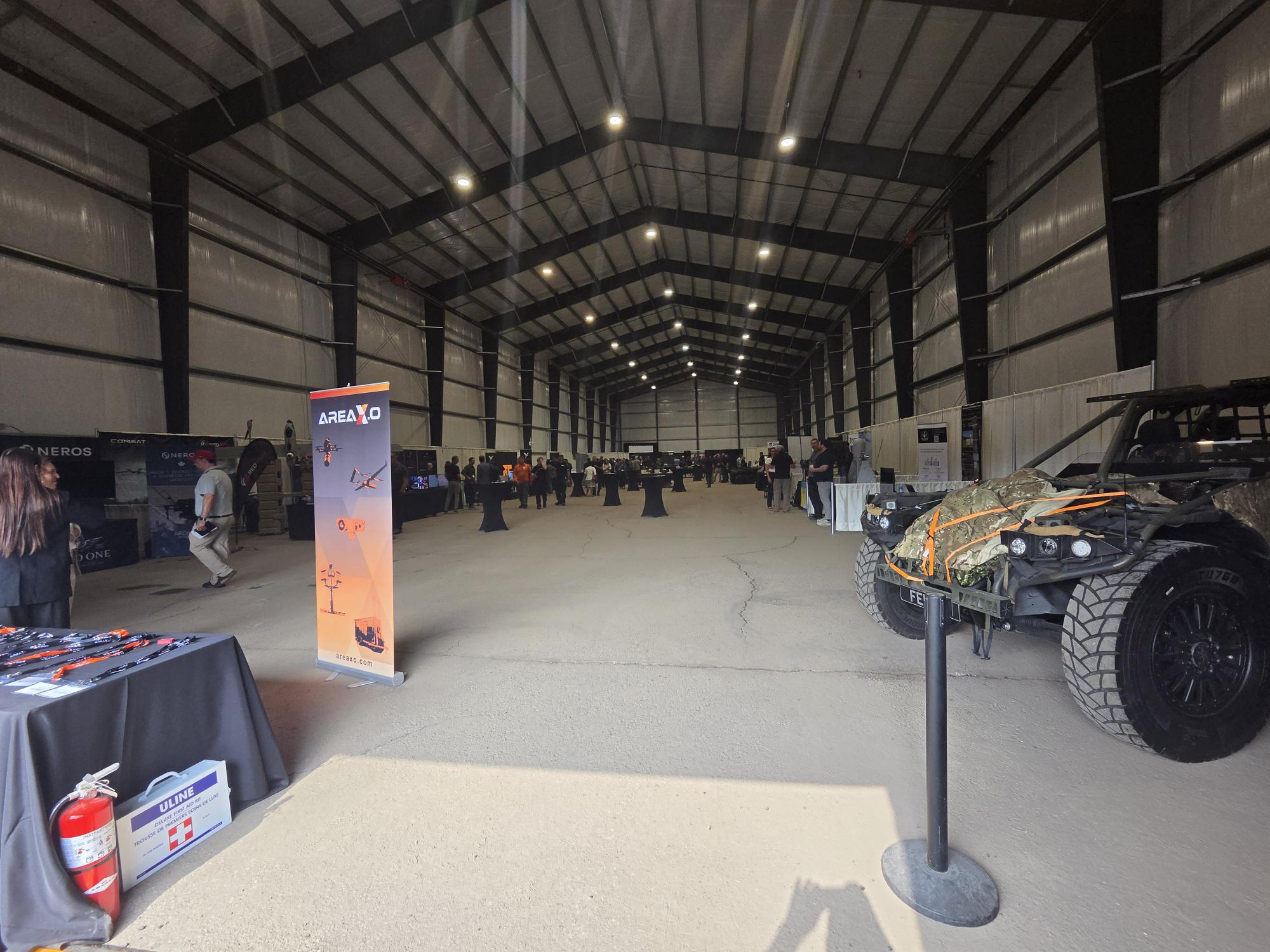
Area X.O has put the spotlight on its third facility with a clear emphasis on defence-related drone and robotics testing – and it’s very much related to Canada’s new Defence Industrial Strategy.

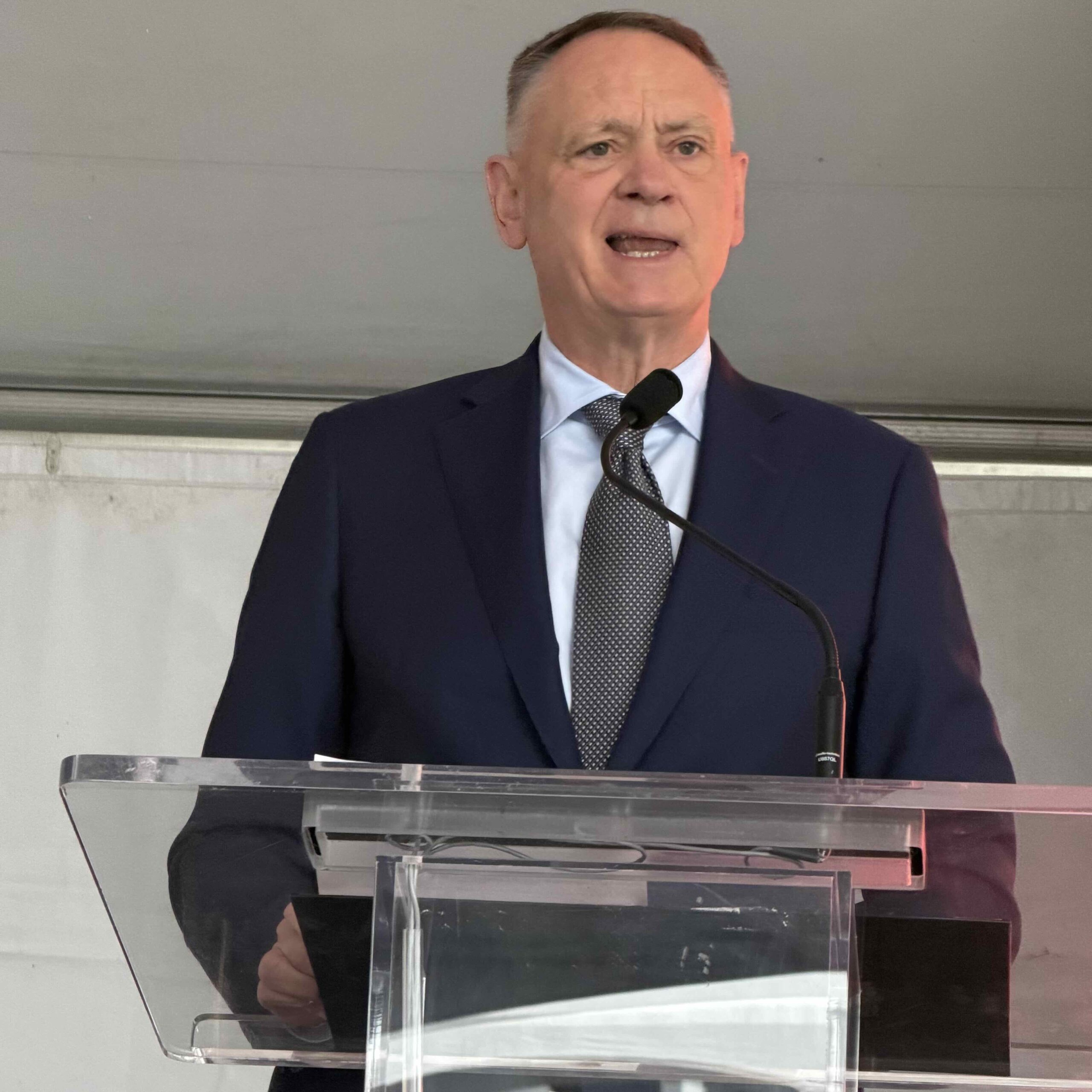
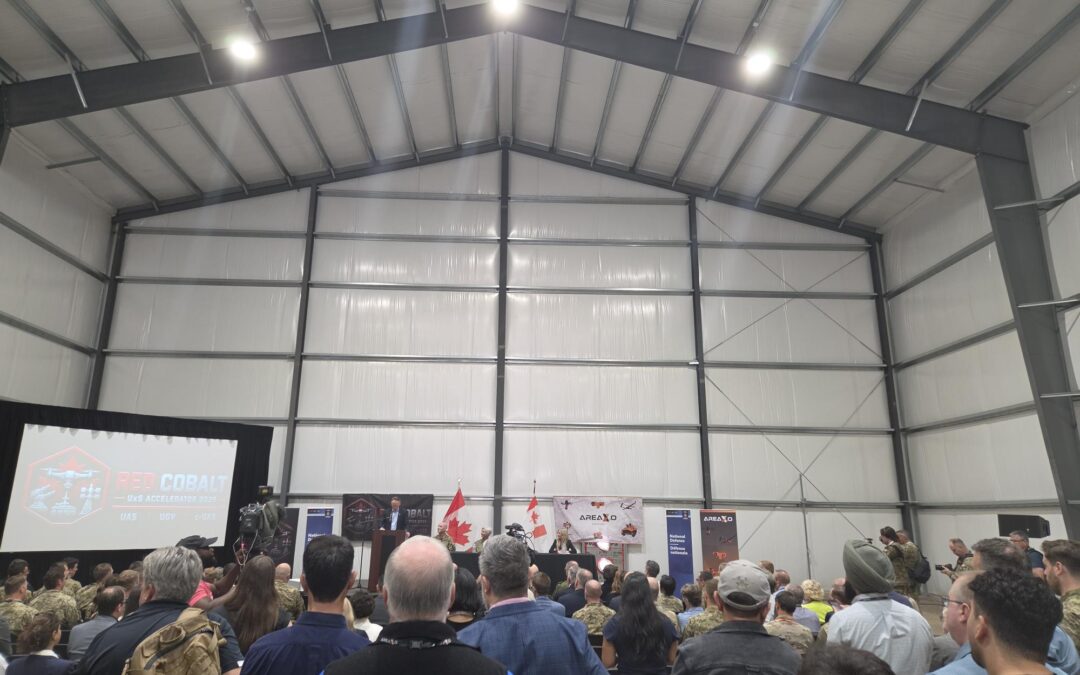
Area X.O Killaloe is located at an airport in the Ottawa Valley, and it held a defence-capabilities demonstration called RED COBALT Uncrewed Systems Accelerator 2026 this week. It was heavily attended by senior officials from the Canadian Armed Forces (CAF), the Department of National Defence, and Canadian Joint Forces Command. The Honourable David McGuinty, Minister of Defence, was also in attendance.

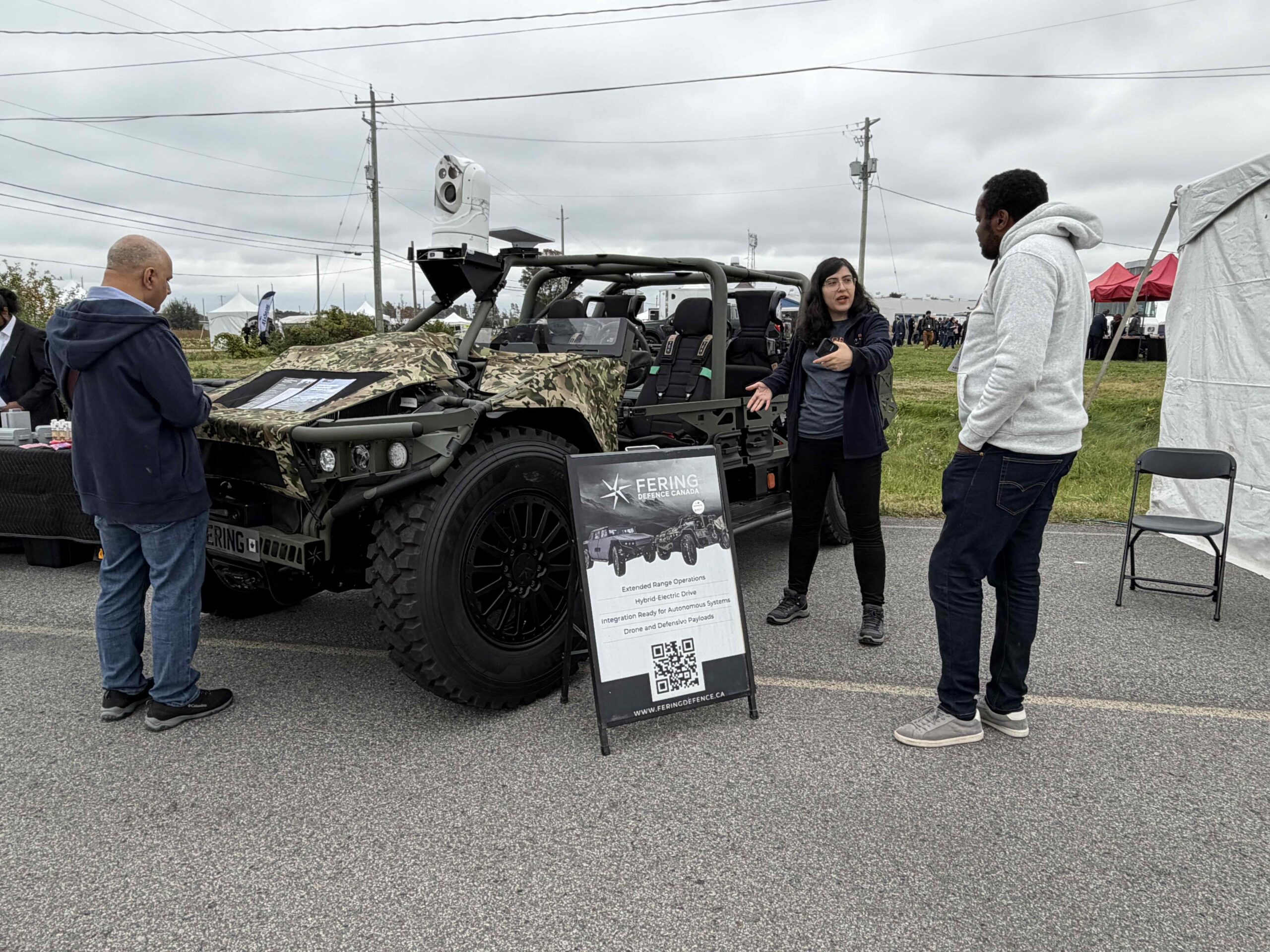
About 20 companies, nearly all of them Canadian-owned, were invited to display and demonstrate technologies that will likely one day play a role in Canada’s defence. Indro Robotics was one of those companies. It is the third Area X.O site, with the first and largest the well-known technology hub and NATO DIANA Test Centre in Ottawa (where InDro has its R&D headquarters).

“This is how we help companies grow faster. Strengthen Canada’s sovereign capabilities. Create high-value jobs. Attract investment. And build a stronger, more resilient economy,” announced Sonya Shorey, President and CEO of Invest Ottawa and Area X.O in this post. Invest Ottawa owns and operates all Area X.O facilities.

“This work directly supports Canada’s Defence Industrial Strategy and our evolving strategy for Canada’s Capital Region, Ottawa and Gatineau together, as a global defence innovation hub serving our country, Forces and Allies,” she added.

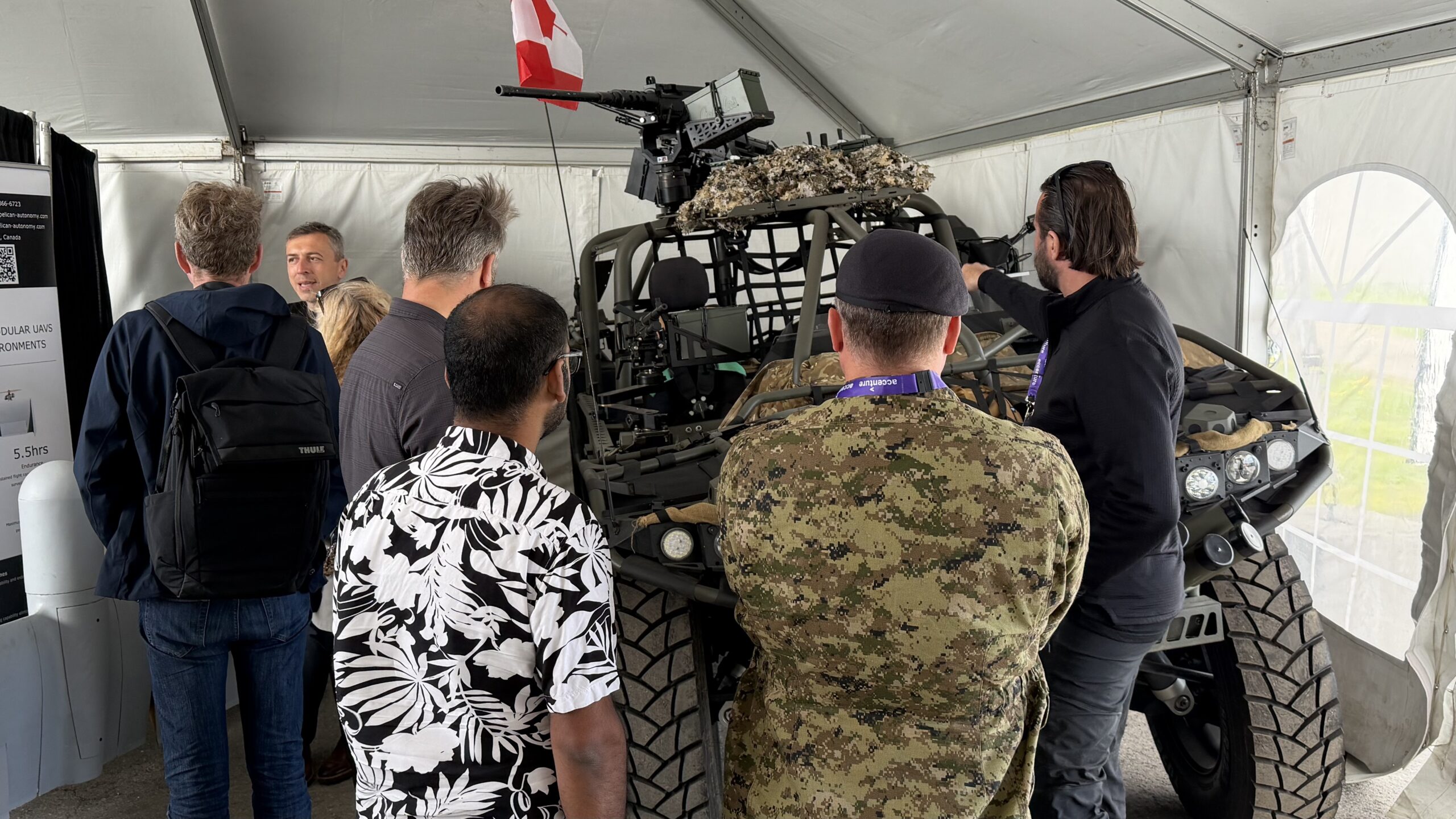
The August 11/12 gathering provided an opportunity for a cross-section of the Canadian military to observe, even operate, multiple types of drones, counter-UAS systems, ground robotics, and more. The location will allow for testing larger and more complex drone systems and robotics. And, unlike the original Area X.O, is not located near a major airport.

Canada’s Defence Industrial Strategy, released in February of this year, is the country’s response to a rapidly changing geopolitical landscape – and commits more than half a trillion dollars between now and 2035. Those funds have already started to flow: In July, Ottawa announced it would build a $30M military drone R&D facility in Mirabel, Quebec.

A significant portion of the DIS budget has been set aside to help accelerate Canadian-built and owned innovations – and reduce the reliance on traditional US military primes. The Ukraine conflict and even the recent US war with Iran have forever changed warfare with the heavy use of drones and other robotics on the battlefield.

“If you look at what’s happening in Ukraine, their uncrewed systems — the [updates to] coding that goes into it happen on a daily basis,” Lt.-Gen. Darcy Molstad, who heads the military’s Joint Forces Command, told CBC News.

“…This is the kind of partnerships that we have to establish.”

Below: A portion of Sonya Shorey’s post

Sonya Shorey Killaloe

INDRO AND DUAL-PURPOSE


Many of the products InDro manufactures have dual-purpose capabilities, meaning they can be used for commercial/industrial applications, as well as for defensive purposes. Our drones and robots, for example, are involved in a partnership with Montreal software firm CHAAC Technologies to autonomously find, map – and potentially neutralise – the pernicious PFM-1 landmine. It’s a small, air-dropped butterfly-shaped device that is intended to maim. Children often make the tragic mistake of thinking they are toys.

Technology can prove tremendously helpful for those kinds of use-cases – as well as many other defence and sovereignty-related purposes. InDro Vice-President Peter King and Law Enforcement Consultant Brian Fentiman represented InDro at the event, showing two major new innovations we are developing.

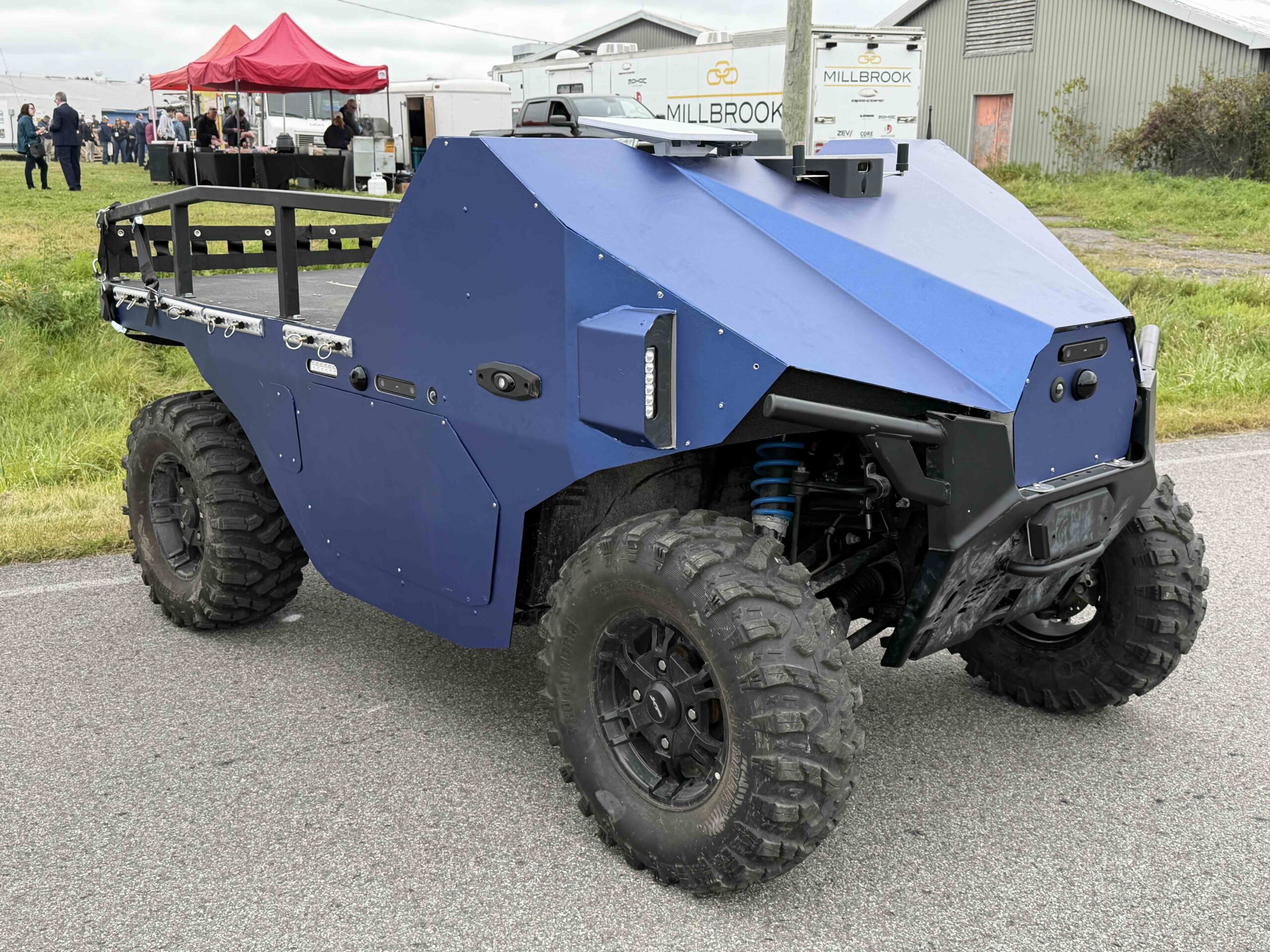
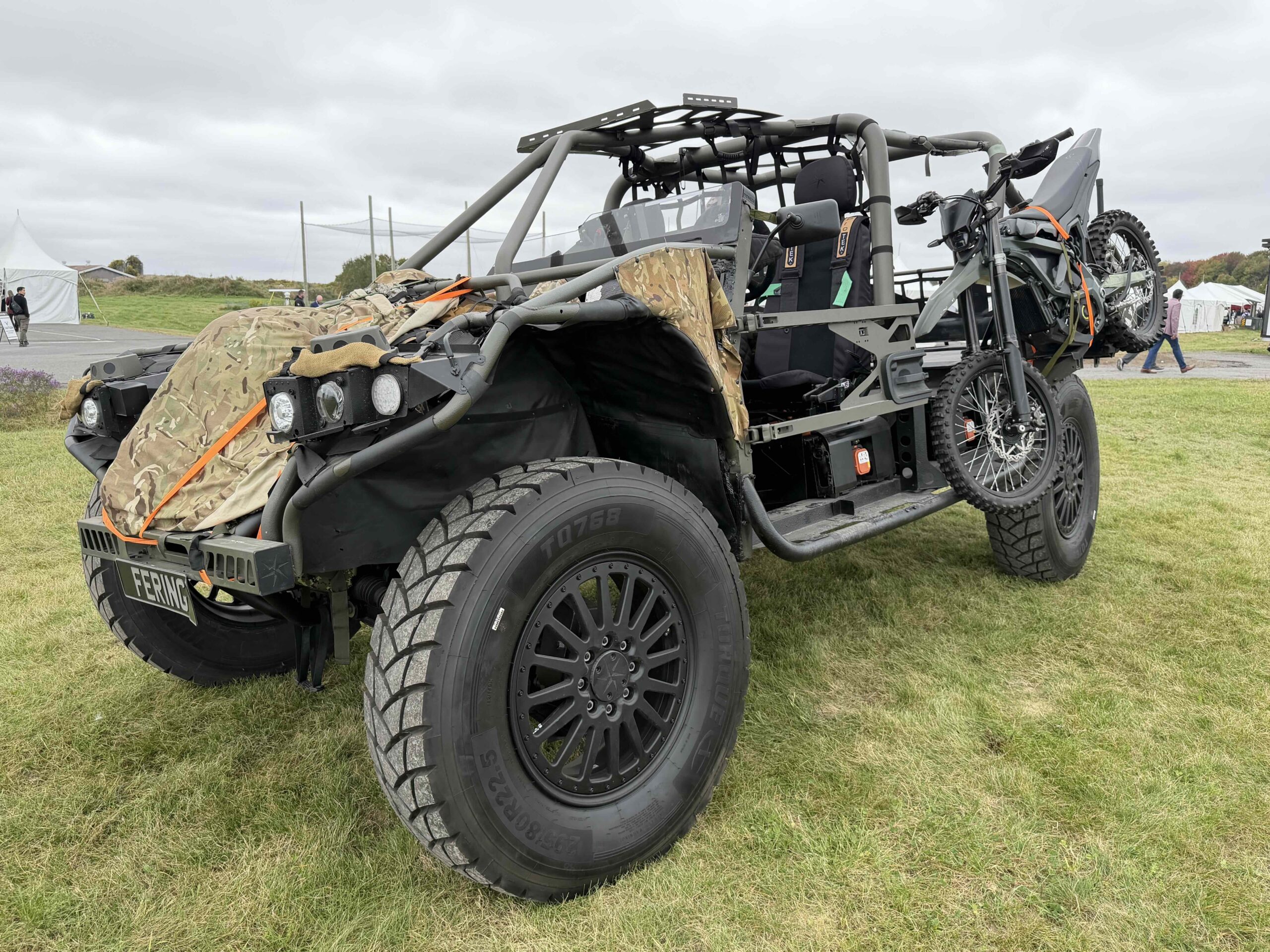
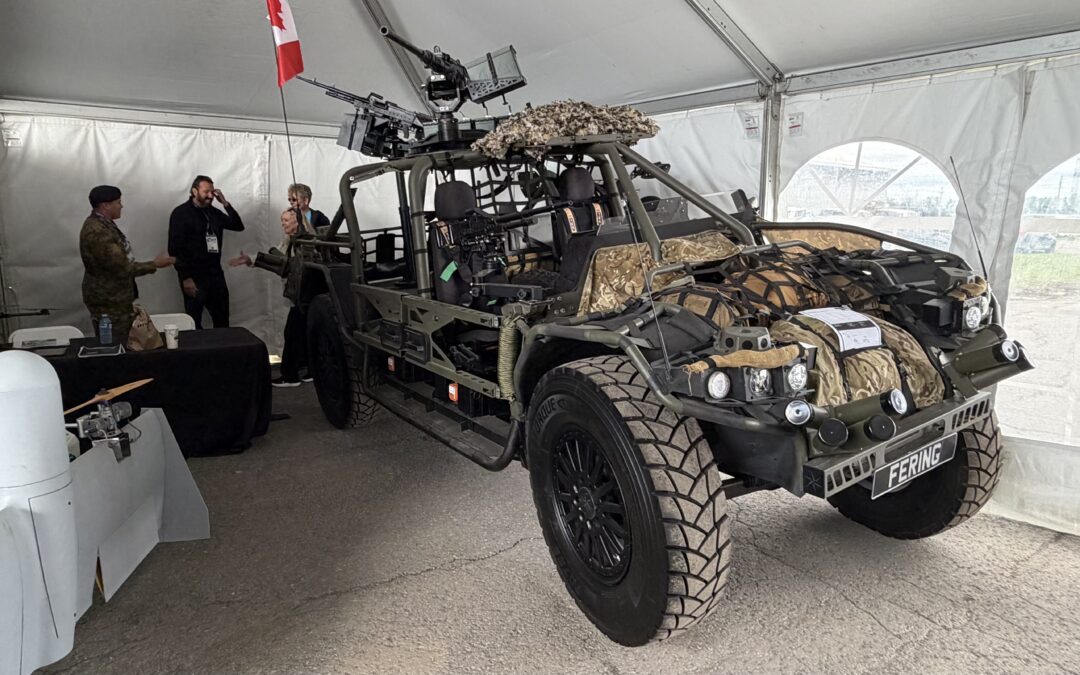
The first is Talos, the world’s longest-range vehicle. The rugged hybrid uses a combination of batteries and a highly efficient diesel generator to operate up to 7,000 km on a single, 454-litre tank of fuel. Originally developed to be driven by a human operator, InDro is in the process of turning this vehicle into a remotely tele-operated (and autonomous) robot. The Talos uses standard NATO-compliant mounting systems, and can be rapidly transformed for any use-case, from surveillance and combat in hostile environments through to transporting wounded combatants or getting medical supplies into a disaster zone.

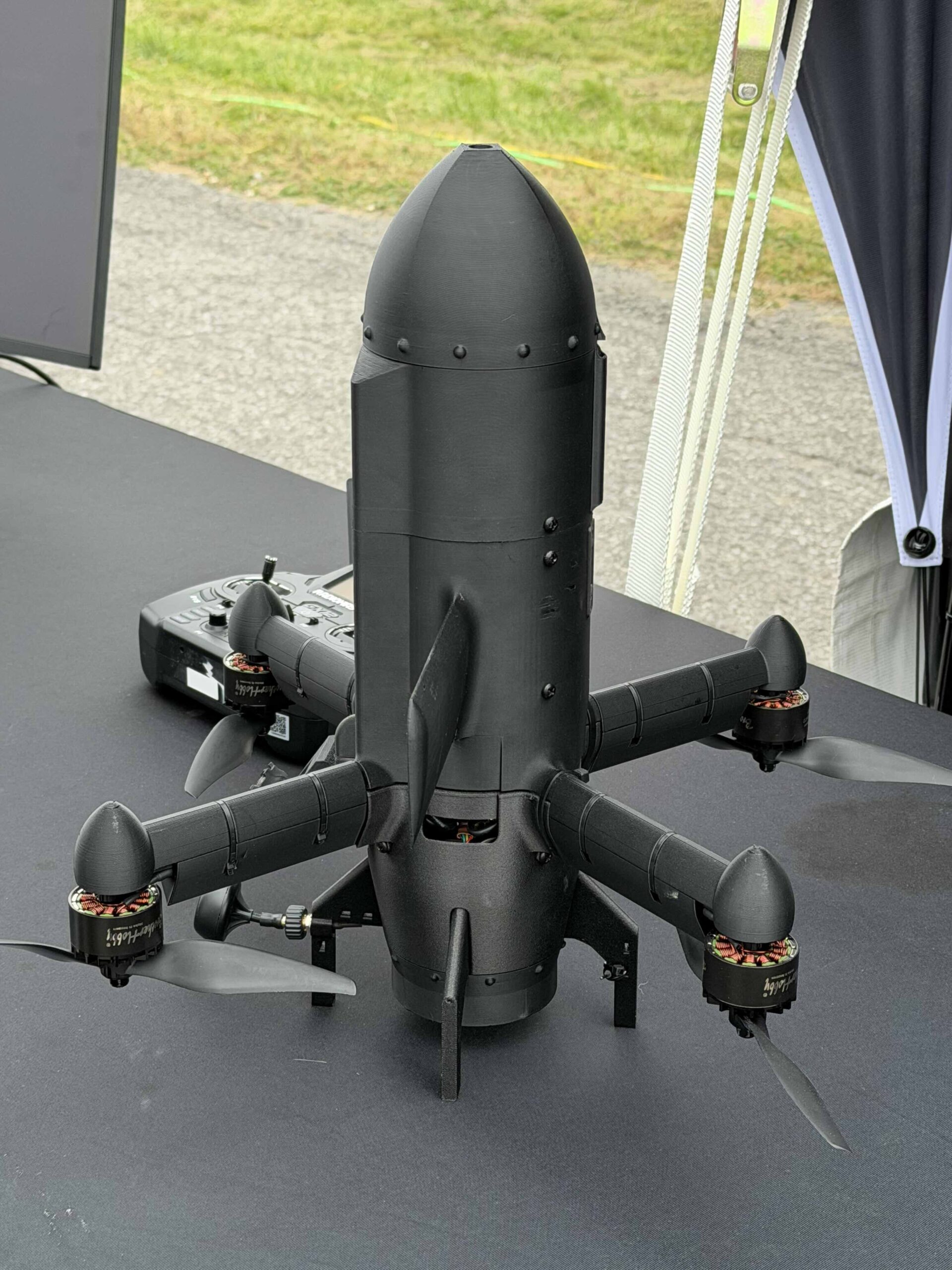
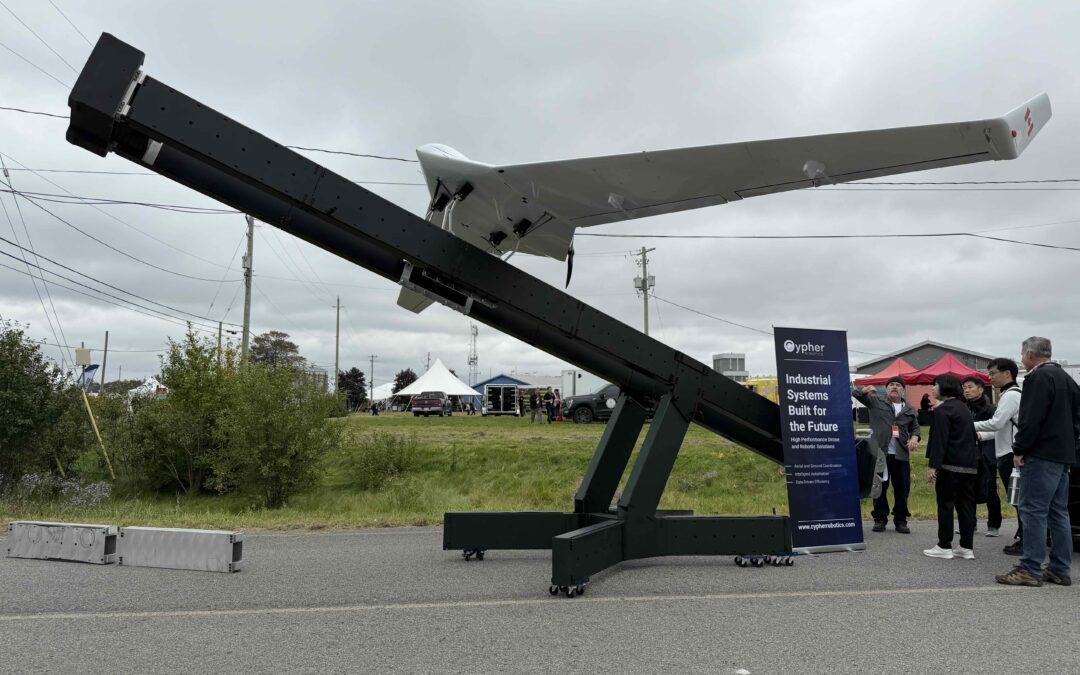
We were also providing a glimpse of technology related to our new, long-range Intelligence, Surveillance and Reconnaissance (ISR) drone. It can carry multiple sensors plus an additional payload and fly in weather conditions that would ground conventional aircraft. It’s also a hybrid fixed-wing design, meaning it’s capable of extraordinarily long missions.

Below: A look at the front end of Talos (R), the vehicle InDro is transforming into the world’s longest-range ground robot.


Talos

INDRO’S TAKE


We were pleased to see the unveiling of the new facility – and to be in the company of so many Canadian companies who are pushing the envelope of technology and defence. The event was a clear indicator of the emphasis the Federal Government is putting on the DIS, and the speed at which it hopes to advance the capabilities of the Canadian Armed Forces with made-in-Canada solutions.

“It is indeed a changing world, and Canada is investing to keep pace with that change,” says InDro Founder and CEO Philip Reece. “We congratulate Invest Ottawa and Area X.O and welcome the opportunities afforded by this facility. InDro is proud to be working on dual-use technologies we feel will be of benefit to the country, and to those who serve it.”

We look forward to testing our new innovations at the site, and will update you when that happens.


InDro Cortex, Controller open a near limitless world of robotic possibilities

InDro Cortex, Controller open a near limitless world of robotic possibilities

By Scott Simmie

We were tempted to use the word “infinite” in the headline above.

Because really, when it comes to customising a robot or industrial drone into pretty much any configuration, our InDro Cortex (hardware) and InDro Controller (software) can handle the task. A one-off wheeled quadruped for autonomy research at an academic institution? Check. A humanoid carrying out pick-and-place work in a factory setting? Check. A wheeled or tracked ground robot carrying out regular autonomous inspections on remote assets? Check, check, and check.

Once you factor in the growing number of sensors, platforms and use-cases, the potential combinations run into the thousands (if not more). We are pleased to confidently state that the synergy of InDro’s Cortex and Controller can handle virtually all of them.

Why so confident? Let’s find out.

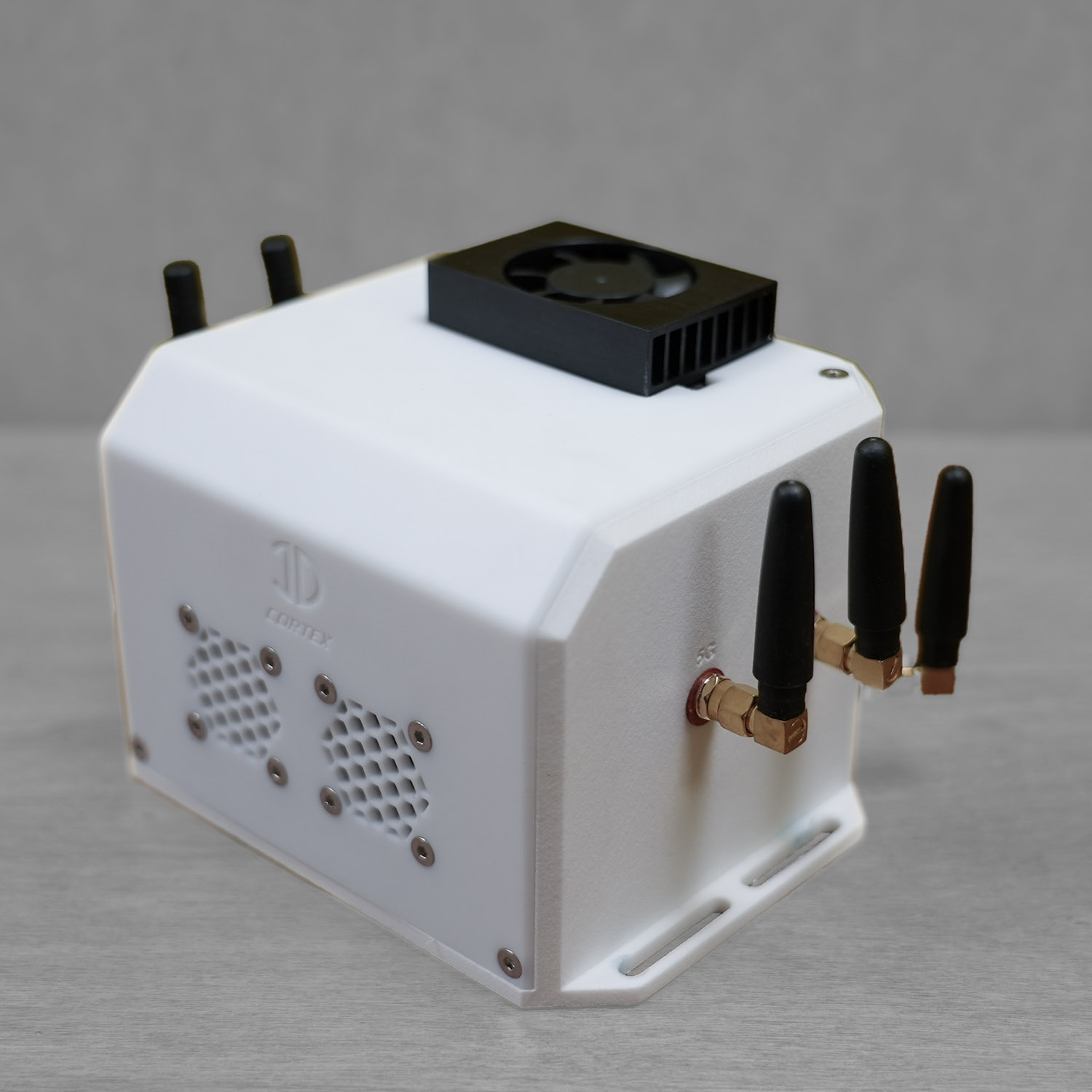
Above: A fleet of AgileX platforms, all outfitted with InDro Cortex, InDro Controller, and multiple sensors before shipment to a client. Below: The tiny but powerful Cortex

InDro Cortex Robot Developer Kit for Autonomous Robots and Drones

WHAT IS INDRO CORTEX?


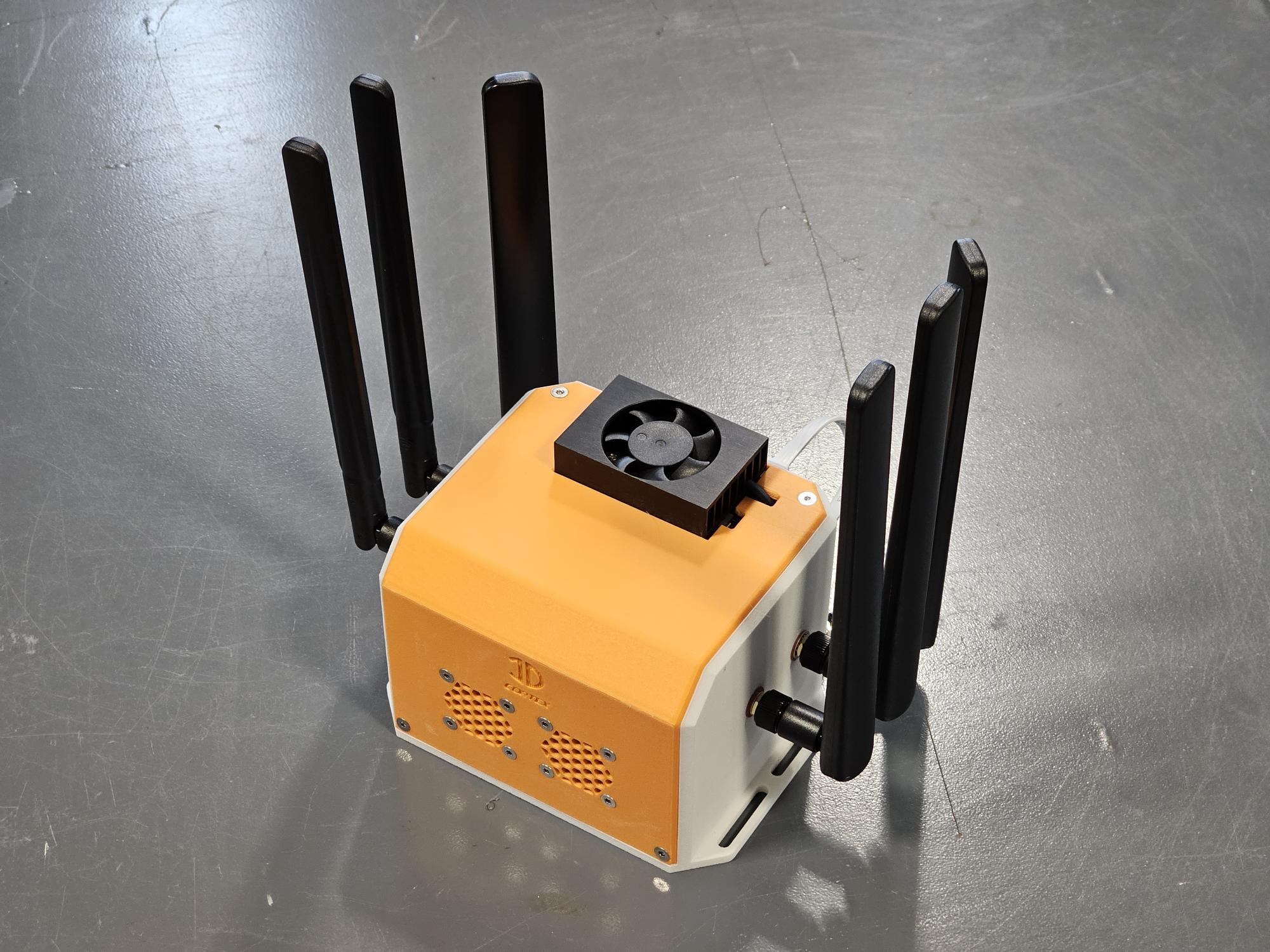
The simple answer is that it’s an incredibly powerful yet very small brain box and sensor interface that can be mounted on any robotic platform. It can transmit data over 5G networks with imperceptible lag and receive instructions from a remote operator. Measuring 11cm x 14cm x 10cm, and weighing a mere 679 grams, Cortex has been designed from the ground up – including custom PCBs – by our engineering team. It’s platform-agnostic, meaning you can use it with virtually any robotic framework.

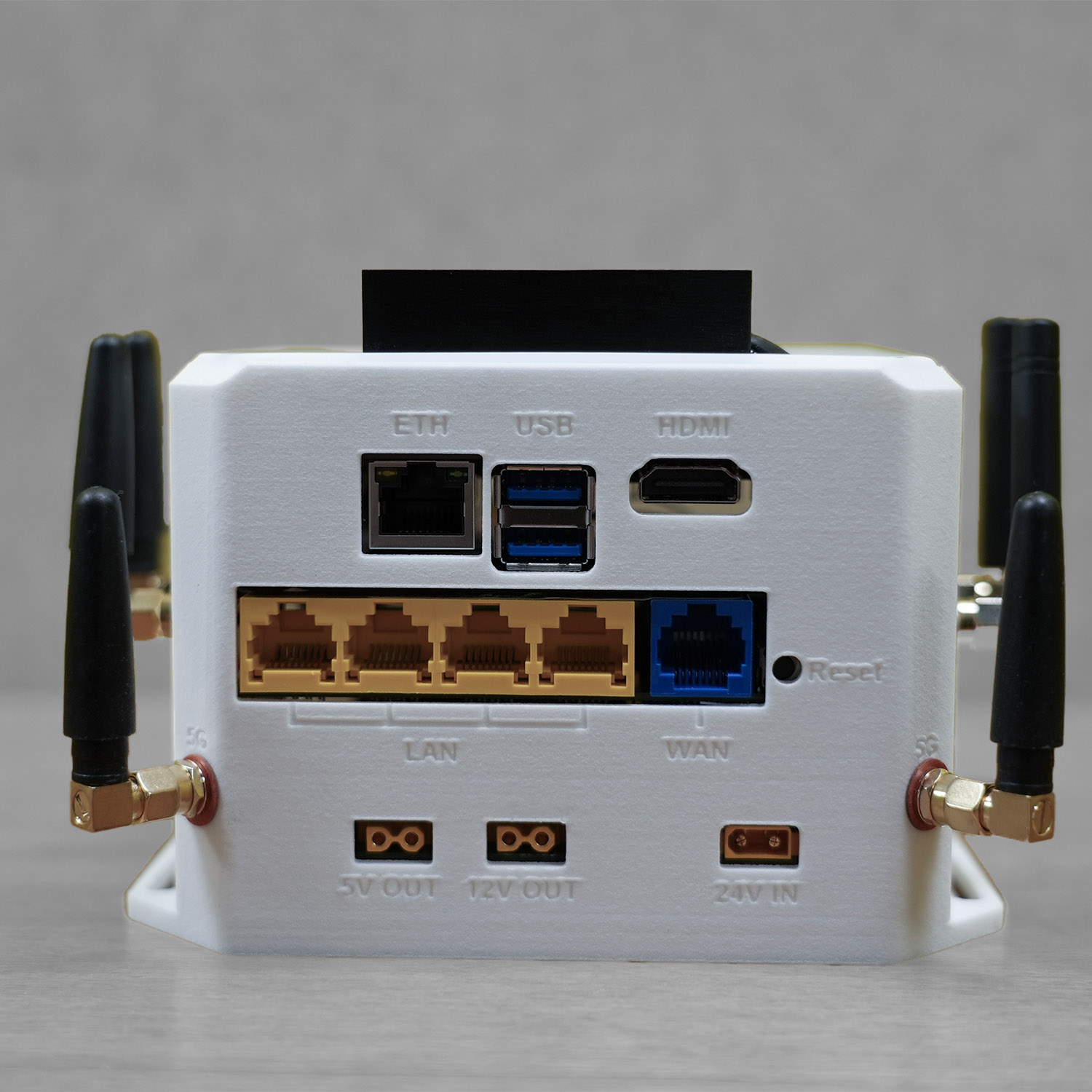
Sensor integration – and the fusion of sensor data – is a breeze, With multiple I/O and power options, you simply plug & play. That’s because Cortex is preloaded with ROS2 Humble, which contains all the software tools, libraries, drivers, and communication protocols that allow for near-instant integration of any and all sensors. Power supply for those sensors is provided by Cortex (which is powered by the platform itself).

Looking for the compute required for seamless sensor fusion and demanding AI applications? You’ve got it: Our base Cortex comes with a processor capable of 100 TOPS (trillions of operations per second). If your use-case or application demands more powerful compute, we’ll happily upgrade that to your requirements.

Running on Ubuntu 22.04 LTS paired with ROS2 means Cortex is ideally suited for robotics work. That duo have become the standard for most robotics companies, R&D organisations and academia. (LTS, by the way, stands for Long-Term Support, meaning Cortex receives regular security, maintenance and other Ubuntu updates as they’re released).

For communication, Cortex ships with a small but powerful 5G modem, allowing you to remotely control your robot (and see all the data) with nearly imperceptible lag. It can operate on public or private 5G networks, as well as over WiFi. Clients sometimes purchase Cortex and Controller (which we’ll get to shortly) as a standalone and integrate their own robots. Others buy the pair as part of a custom robotics package we design and integrate. Several years of intense research have gone into building Cortex – which is now one of InDro’s core products.

Below: Just one example of a potential package where all sensors integrate with Cortex, though we frequently build far more complex systems. Image two shows the multiple I/O options that come on our standard Cortex

InDro Cortex Robot Developer Kit for Autonomous Robots and Drones

CORTEX AND CONTROLLER – A PERFECT PAIR


Imagine our Cortex hardware as a Formula One car. Now picture InDro Controller software as the driver and pit crew.

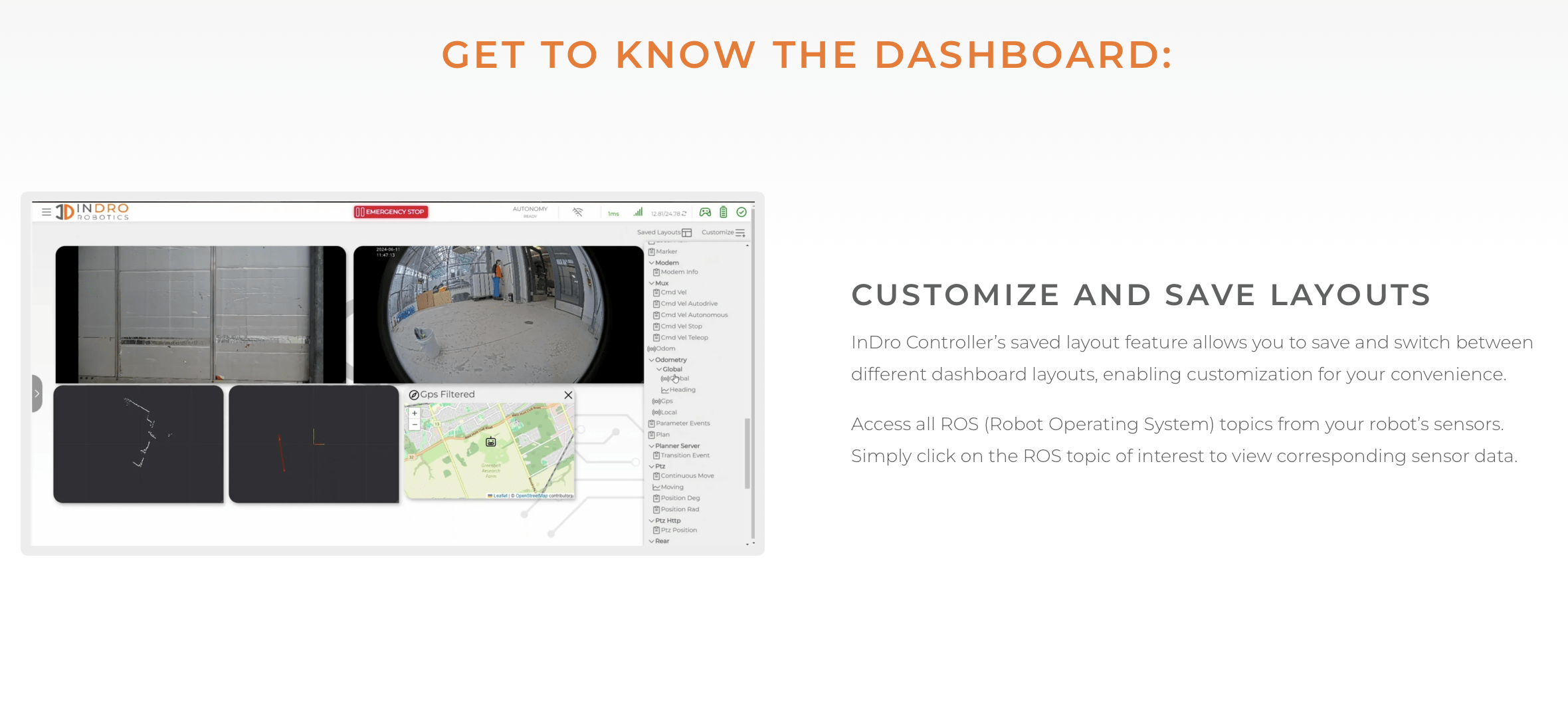
While InDro Cortex processes vast quantities of data at high speeds, InDro Controller allows you to see that data and control the robot. Using a highly secure desktop interface created by our front-end development team, Controller offers an intuitive dashboard that allows you to carry out operations in three ways: Manually, autonomously with pre-programmed waypoints, and even in GPS-denied environments using LiDAR SLAM or vSLAM.

With multiple sensors running on a given robot (or drone), the dashboard allows you to easily move and size windows for data display and location. You can program waypoints at the click of a mouse, and have a robot carry out specific tasks at each waypoint. For example, you could have a PTZ camera tilt and zoom in on a specific gauge to read it, or stop and check on a component where a temperature change might indicate trouble. You can save endless missions and set them to run automatically at desired intervals.

The InDro Controller software lives onboard Cortex; you simply type in the URL associated with your robot and the encrypted login display pops up.

Our InDro Autonomy software stack is optional (though popular). But, as with Ubuntu LTS, users can rely on long-term support and upgrades from InDro. If we tweak something to improve a feature of InDro Controller (or any of our other software stacks), clients get that upgrade. InDro stands behind its products and ensures our users can maximise their potential.

Below: Just one of many custom views on the InDro Controller dashboard

Custom Integrated Robots

INDRO’S TAKE


You’ve heard the metaphor – the one about “standing on the shoulders of giants.” In this case, Cortex is the logical successor to our highly successful InDro Commander. Released more than three years ago, Commander was a breakthrough in simplifying the integration of R&D robots and for custom builds. Now, after several years of work, Cortex is the logical successor. It’s smaller, more powerful, and comes with the highly evolved InDro Controller.

“Cortex is the result of a tremendous amount of R&D from our Area X.O engineering team,” says InDro Robotics Founder and CEO Philip Reece. “It not only greatly simplifies building complex robots, but can vastly enhance robotic platforms ranging from engineering research robots through to military defence platforms. It, along with Controller, will be core InDro products for many years to come.”

To learn more about InDro Cortex and Controller, drop a line to our Head of R&D Sales, Luke Corbeth. He’s a no-pressure pro who loves talking about use-cases and solving problems.

New Defence Industrial Strategy puts emphasis on Canadian tech sector

New Defence Industrial Strategy puts emphasis on Canadian tech sector

By Scott Simmie


Canada has released its long-awaited Defence Industrial Strategy. It’s a blueprint for defence and sovereignty in a rapidly-changing world – and has profound implications for Canada’s technology sector.

In a nutshell, the DIS will focus on “rebuilding, rearming, and reinvesting in the Canadian Armed Forces (CAF),” says a news release from the Prime Minister’s Office. It includes a huge emphasis on developing new dual-purpose technologies, along with massive capital investment over the next decade.

“In total, the Defence Industrial Strategy is an investment of over half a trillion dollars in Canadian security, economic prosperity, and our sovereignty,” says the release.

Historically, Canada’s procurement process has been somewhat slow and burdened with red tape. It has also relied heavily on US suppliers. The Strategy will focus on developing made-in-Canada solutions, streamlining procurement, expanding partnerships with other allies, and be overseen by the Defence Investment Agency (DIA).

“The Defence Industrial Strategy strengthens Canada’s capacity to deliver critical capabilities to the Canadian Armed Forces with greater speed, certainty, and strategic coherence. It supports the Defence Investment Agency’s mandate by enabling more agile procurement and more secure, resilient supply chains,” said Doug Guzman, CEO of the DIA.

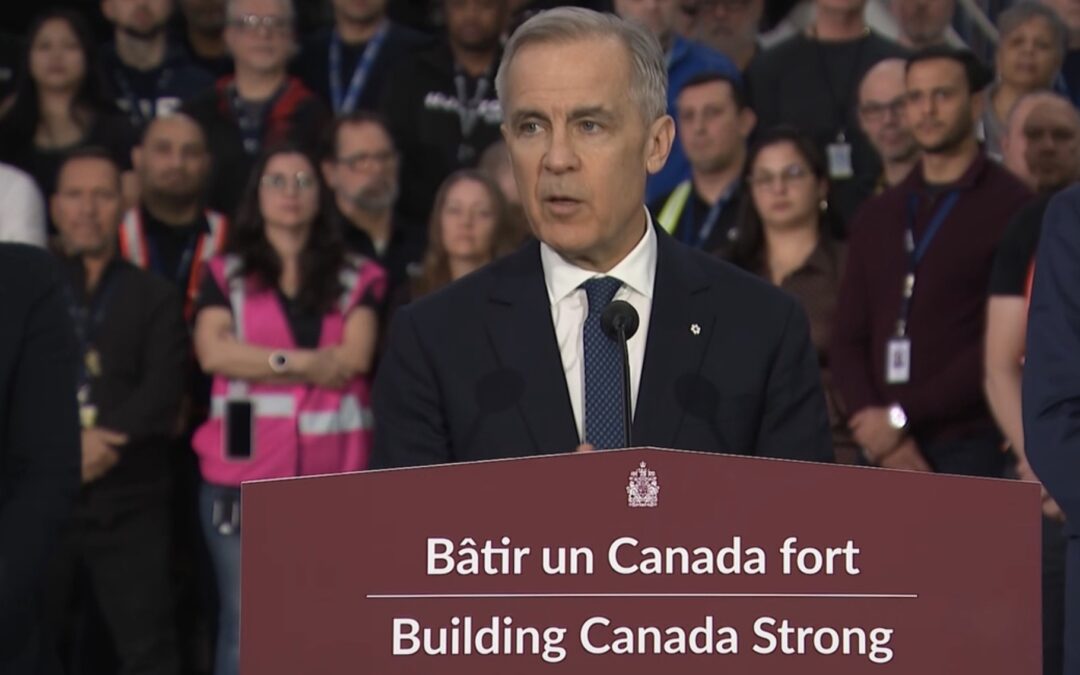
Above: Prime Minister Mark Carney announces Canada’s Defence Industrial Strategy in Montreal on February 17, 2026. The DIS will emphasise the development of Canadian technology in areas like robotics, AI, cybersecurity and more. Below: The InDro Cortex, a dual-purpose, AI-enhanced brain for UGVs and UAVs.

Cortex Lite

CANADIAN SOLUTIONS


Over the next decade, the DIS will commit $180B in defence procurement and $290B in defence-related capital investment. Canada has traditionally spent some 75 per cent of its procurement budget with US-based suppliers, but the new DIS will see a far greater emphasis on domestic solutions and innovations, as well as partnership with other allies.

“By building, innovating, and manufacturing in Canada, we are ensuring our industries benefit directly from defence investments while supporting the modernisation of the Canadian Armed Forces. Our government is meeting the moment for Canadians by driving growth, creating jobs across the country, and ensuring Canadians benefit from a stronger, more resilient defence economy,” said The Hon. Mélanie Joly, Minister of Industry and Minister responsible for Canada Economic Development for Quebec Regions.

The DIS has five pillars. They are:

  • Position Canada as a defence production leader
  • Reduce barriers between government and industry
  • Scale Canada’s defence/dual-use innovation – and export it to allies
  • Protect Canadian jobs, supply chains, and industries
  • Spearhead a coordinated national effort to strengthen Canada’s defence sector

You can find the news release and read in greater detail here.


INDUSTRY REACTION


Canada’s technology sector has been waiting for this announcement, since it was first flagged by Defence Minister David McGuinty at last September’s GCXpo event. While there are many Canadian firms solely dedicated to defence, there are many others (like InDro Robotics), which develop dual-purpose innovations – meaning they have applications both for civilian, industrial and defence applications. For those companies, the reduction of red tape and an increased flow of funding means significant opportunities.

Canada’s Dominion Dynamics, which is building a “a dual-use, persistent, Arctic sensing network designed to serve both military and civilian purposes,” issued a news release welcoming the announcement.

“In areas such as digital systems, autonomous platforms, sensors, aerospace, advanced manufacturing, and secure sustainment, Canada has real strengths,” it states. “Choosing to build here first will strengthen strategic autonomy, create high-value jobs, and ensure that we retain control of critical IP and long-term capability. The Partner component is equally pragmatic. Canada cannot and should not attempt to do everything alone. Structured partnerships with trusted allies—where technology and intellectual property are genuinely co-developed—will make us stronger and more resilient.”

Below: Global News coverage of the DIS announcement

INDRO’S TAKE


InDro is no stranger to developing dual-purpose technologies that can be put to use for both commercial and defensive purposes. One of many ongoing projects is a partnership with Montreal-based CHAAC Technologies for the AI detection and elimination of a particularly pernicious air-dropped land mine. Our InDro Cortex is a next-gen brain box capable of transforming any ground or aerial platform – even military vehicles – into remotely tele-operated or autonomous devices, complete with AI and advanced Machine Vision capabilities.

“The new Defence Industrial Strategy is a bold and important step forward for Canada in an ever-shifting geopolitical world,” says InDro Founder and CEO Philip Reece. “And while this is welcome news for the technology sector in Canada, it is also – and more importantly – a strategic and smart move for Canada’s future defence and sovereignty capabilities.”

We anticipate there will be much more to tell you as the strategy is implemented. Stay tuned.

Canada’s Defence Industrial Strategy: InDro’s View

Canada’s Defence Industrial Strategy: InDro’s View

By Scott Simmie


In a rapidly shifting geopolitical landscape, Canada has announced a forthcoming Defence Industrial Strategy (DIS). The initiative was first revealed by Federal Defence Minister David McGuinty in September of 2025. Its goal is to boost Canada’s defence and sovereignty capabilities – while simultaneously providing a runway and budget for made-in-Canada dual-purpose technology solutions. The country will be devoting five per cent of its GDP by 2035 as part of its NATO commitment, and the DIS will determine how to most effectively spend that money.

“This is a $9.2 billion investment which will strengthen our forces…enhance our infrastructure and boost our operational readiness….Every defence dollar spent is intended to reinforce Canada’s sovereignty, advance our national security, and fuel home-grown innovation,” said The Minister during a keynote speech at GCXpo, an exhibition featuring Canada’s technology leaders, with a focus on Small to Medium Enterprises (SMEs) and startups.

The Minister made it crystal-clear these companies will be front and centre in the forthcoming DIS, with significant spending allocated to developing dual-purpose technologies that will assist in Canada’s overall defence and sovereignty strategies. Those includes ground robotics, autonomous systems, drones, AI, cyber-security – and much more. The details of the DIS are being worked on now, but Minister McGuinty made one thing perfectly clear:

“This is what I do know, and for sure: I know that at the heart of the strategy is you. The innovators, the investors, the risk-takers, the entrepreneurs, and the startups. You’re going to help us develop the dual-use technologies that are going to shape the future of defence and security,” he said.

All of this, of course, marks an inflection point in Canadian policy. And it spells unprecedented opportunities for Canadian technology and R&D firms to assist in developing technologies that will help safeguard Canada’s future.

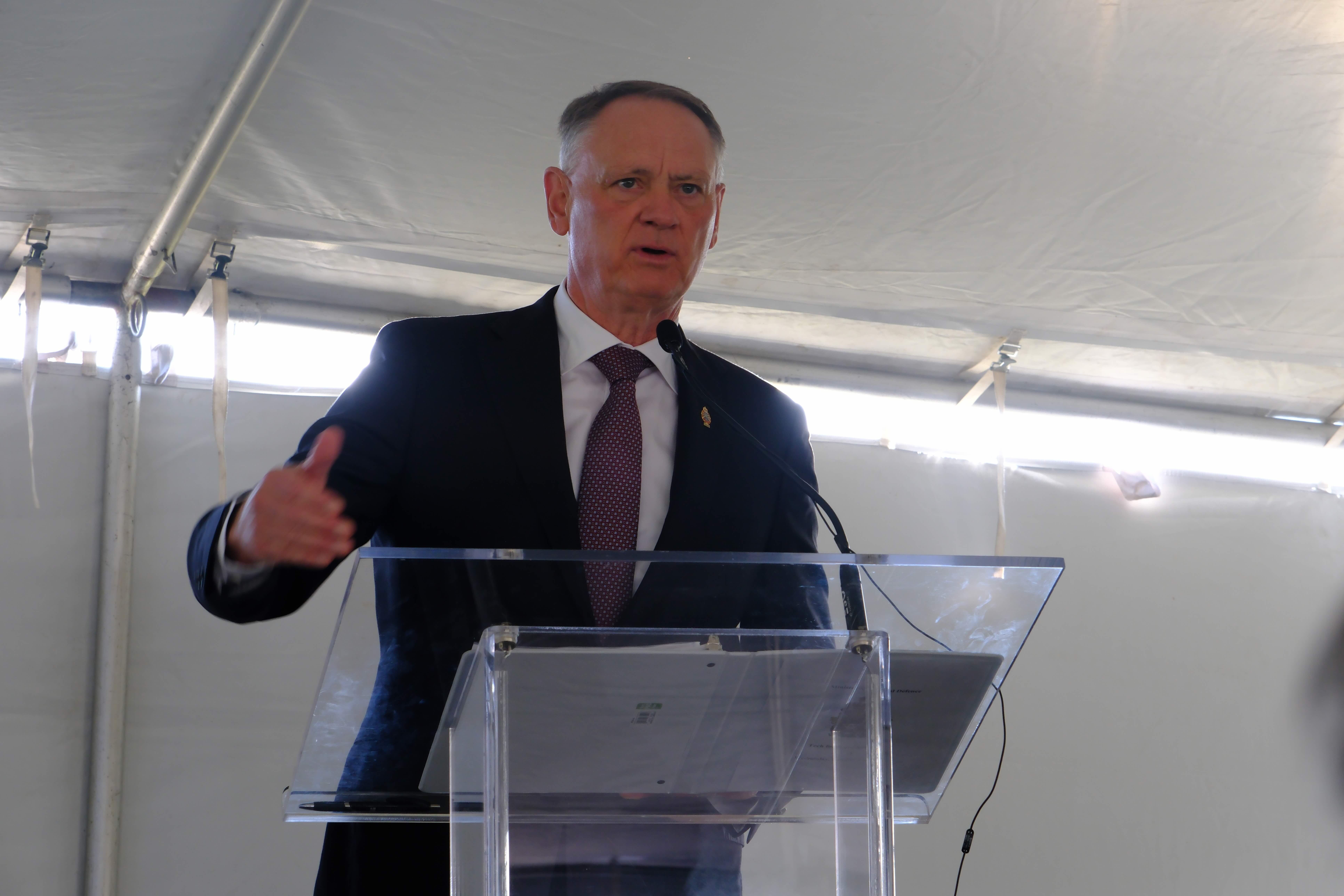
Above: Canadian Prime Minister Mark Carney meets with Ukrainian President Volodymyr Zelensky: Photo by Lars Hagberg. Below: The Honourable David McGuinty, Federal Minister of Defence, announces plans for the new Defence Industrial Strategy during a speech at Area X.O during the GCXpo event

David McGuinty

INDRO’S STRATEGY SUBMISSION


As a leading R&D company, InDro Robotics – and countless other Canadian technology firms – have a stake in how Canada’s Defence Industrial Strategy takes shape. We are intimately familiar with existing government incentives and procurement processes. We know what works – and are eager to see the Federal Government implement an accessible, thoughtful and accountable strategy. As a result, we thought it prudent to prepare a submission to the House of Commons Standing Committee on Industry and Technology, which is conducting a study on how best to draft and implement the DIS.

Our submission recognises, as the Honourable David McGuinty pointed out, that Canadian SMEs must be at the core of this strategy. It we want truly sovereign defence capabilities we must look to domestic solutions, Canadian intellectual property, and strengthened Canadian supply chains.

A robust Defence Industrial Strategy, we argue, must allow Canadian SMEs to grow and scale. It should ultimately increase reliance on domestic innovation, while decreasing reliance on foreign contractors. We also suggest the DIS be structured in a manner where there’s a high degree of accountability, with measurable results and reviews to ensure objectives are being achieved and flexible enough that changes can be made over time to maximise its benefits.

Without a strategy that provides predictable procurement pathways, supports SME scale-up, and invests in dual-use innovation, the government risks falling short of its objectives,” we write in our introduction.

Canada’s allies already pair defence spending increases with targeted industrial strategies that bring emerging technologies rapidly into service and help domestic firms compete globally,” we continue. “The DIS is an opportunity to do the same: to build sovereign capability, strengthen supply chain resilience, retain intellectual property in Canada, and enable high-growth Canadian firms to scale into world leaders.”


RECOMMENDATIONS


In total, we make four recommendations.

The first is to prioritise SMEs as core contributors to the Strategy.

The DIS should explicitly identify SMEs as central to Canada’s sovereign defence and security capacity, with procurement, innovation programs, and industrial-development tools calibrated to grow and sustain a resilient SME ecosystem,” we write. 

Our second suggestion is that clear pathways be established to allow SMEs to scale up. We call, specifically, for “structured pathways” for high-growth SMEs to grow, with the ultimate goal that these SMEs will, over time, become primes within their technology verticals.

Our third recommendation is that the eventual Defence Industrial Strategy set aside “targeted, accessible, and adequately resourced funding mechanisms that enable SMEs to invest in R&D, certification, security clearances, manufacturing capacity, and export readiness.”

And finally, we respectfully emphasise the importance of evaluation and accountability after the DIS is deployed to ensure maximum effectiveness and impact.

The DIS should be subject to a mandatory biennial review, measuring progress against key performance indicators such as defence sector growth, SME participation rates, supply chain resilience, technology adoption, and contributions to Canada’s GDP. A joint report tabled in Parliament by the Ministers of Industry and National Defence would reinforce accountability and ensure the Strategy remains responsive, measurable, and execution focused.”

The quotes above are taken from our recommendations summary; we go into far greater detail on each of the four points. We see the eventual DIS as a critical blueprint not only for allowing dual-purpose innovations to flourish, but also as a key pillar in Canada’s defence and sovereignty in an increasingly uncertain world. We believe made-in-Canada solutions are imperative for this program to reach its long-term objectives.

Below: Our dual-purpose Cortex Lite brain box can be integrated onto any platform, enabling autonomous missions, remote teleoperation, seamless integration of any sensors – and much more. Platform-agnostic devices like these can be used in industrial, research, defence settings and more:


Cortex Lite

INDRO’S TAKE


These are, indeed, unprecedented times. Not only is the DIS on its way, but on December 1 Prime Minister Mark Carney announced that Canada has been included as a partner in a European Union program known as SAFE – Security Action For Europe. Canada is the only country outside of the EU with preferential access to this $244B program.

“SAFE is a force multiplier for Canada,” said Minister McGuinty. “Our participation in SAFE unlocks unprecedented opportunities for Canadian manufacturers to build what our Allies need and what our Forces can rely on. This partnership accelerates our own rearmament while showcasing the world-class capabilities of Canadian workers, engineers, and innovators.”

“We are in a very different world, and that world requires a broad range of new and innovative dual-purpose technologies,” says InDro Founder and CEO Philip Reece. “InDro Robotics, and the broader Canadian tech sector, are eager to offer existing and forthcoming innovations we believe will strengthen Canada’s defence and sovereignty, while also strengthening Canada’s economic base.”

We are hopeful the Committee working on the Defence Industrial Strategy takes a close look at our recommendations, which we believe are in the best interests of Canada. And we urge others in the sector to consider putting forward their own submissions to the House of Commons Standing Committee on Industry and Technology in the hope the very industry the DIS will rely on can help shape this critical piece of policy.