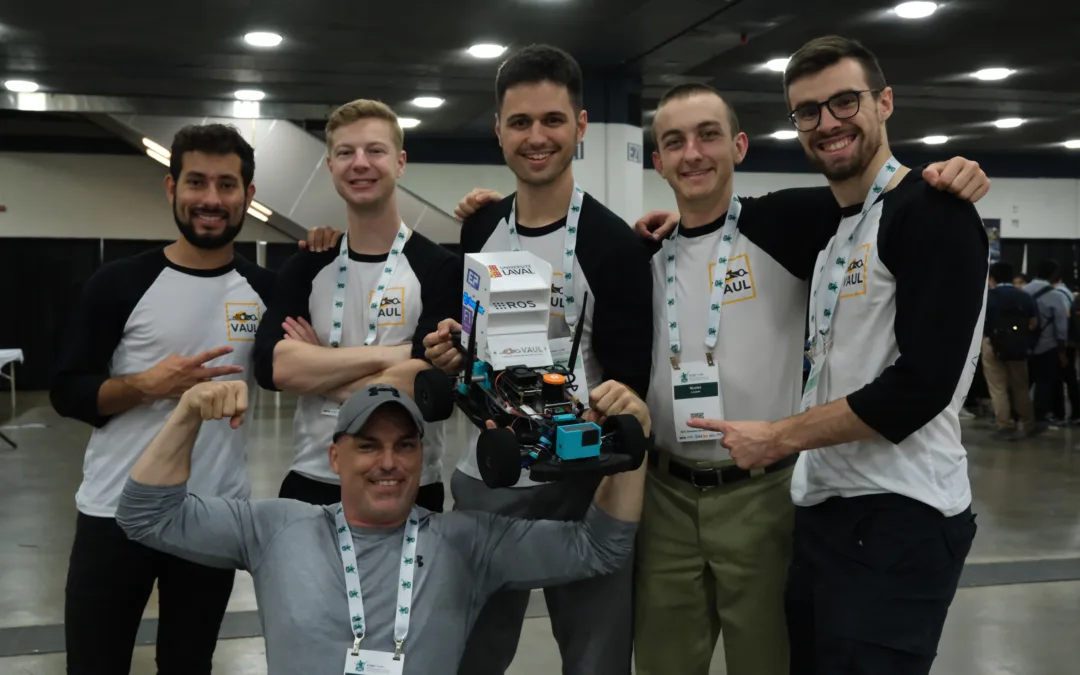
TCXpo brings Canada’s Smart Mobility leaders to Area X.O September 27

TCXpo brings Canada’s Smart Mobility leaders to Area X.O September 27

By Scott Simmie


Canada’s premiere exhibit and demonstration of Smart Mobility technologies is coming up soon – September 27, to be precise. And InDro Robotics will be one of scores of Canadian companies demonstrating innovative products and processes.

This is the second TCXpo since its inauguration in 2022.

“TCXpo will bring together hundreds of innovators, entrepreneurs, technology developers, industry leaders, regulators, smart mobility partners and stakeholders from Canada’s Capital and across the country,” explains the Area X.O website.

“In partnership with Transport Canada (TC), Innovation, Science and Economic Development Canada (ISED), FedDev Ontario and event sponsors, TCXpo will bring together more than 70 Canadian companies to host live technology demonstrations at Area X.O. TCXpo will create an exclusive opportunity for invited guests to experience the power and impact of cutting-edge Canadian technologies, including many preparing for global markets.”

InDro is pleased to be participating – and we’ve got a lot of cool things lined up for the show.

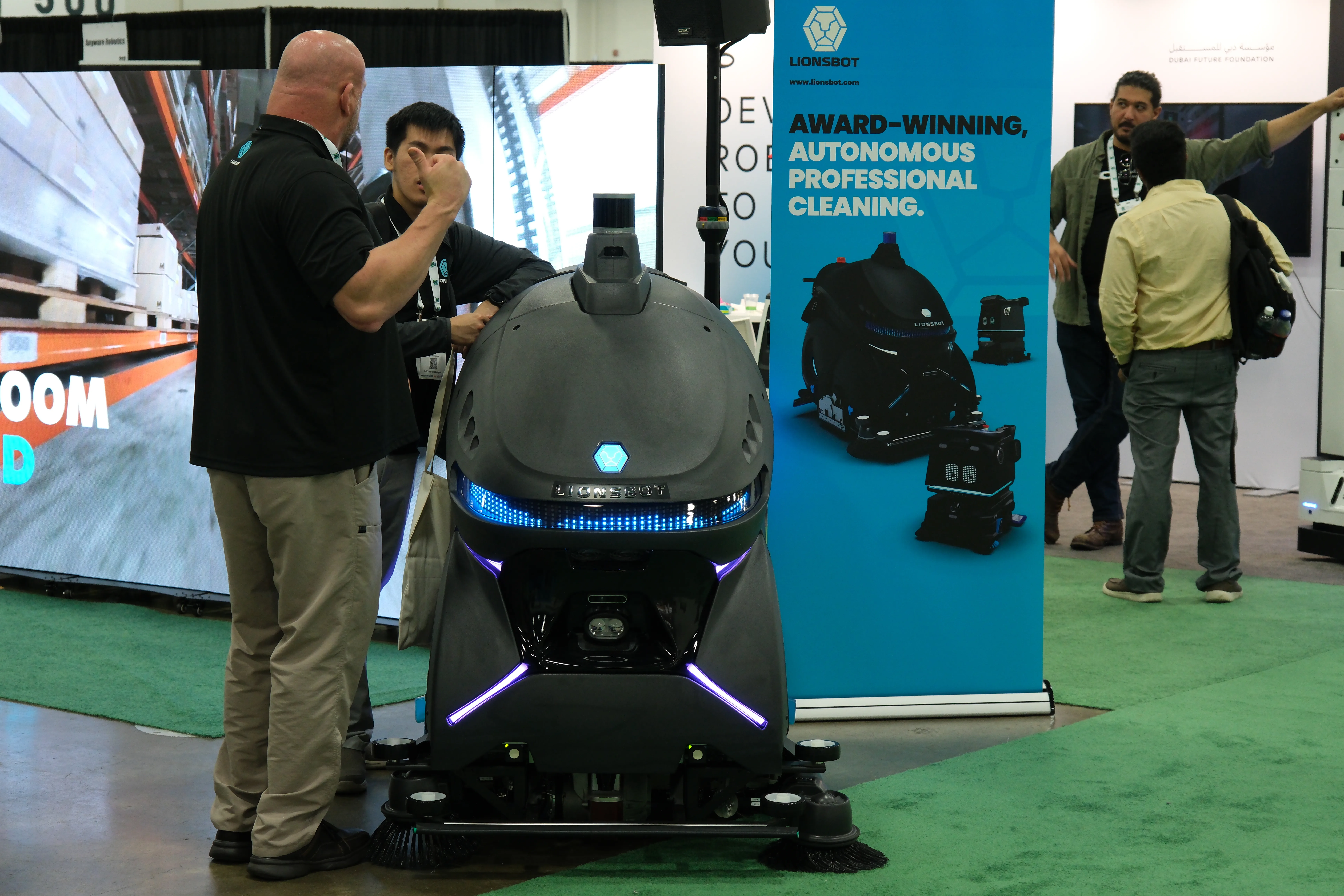
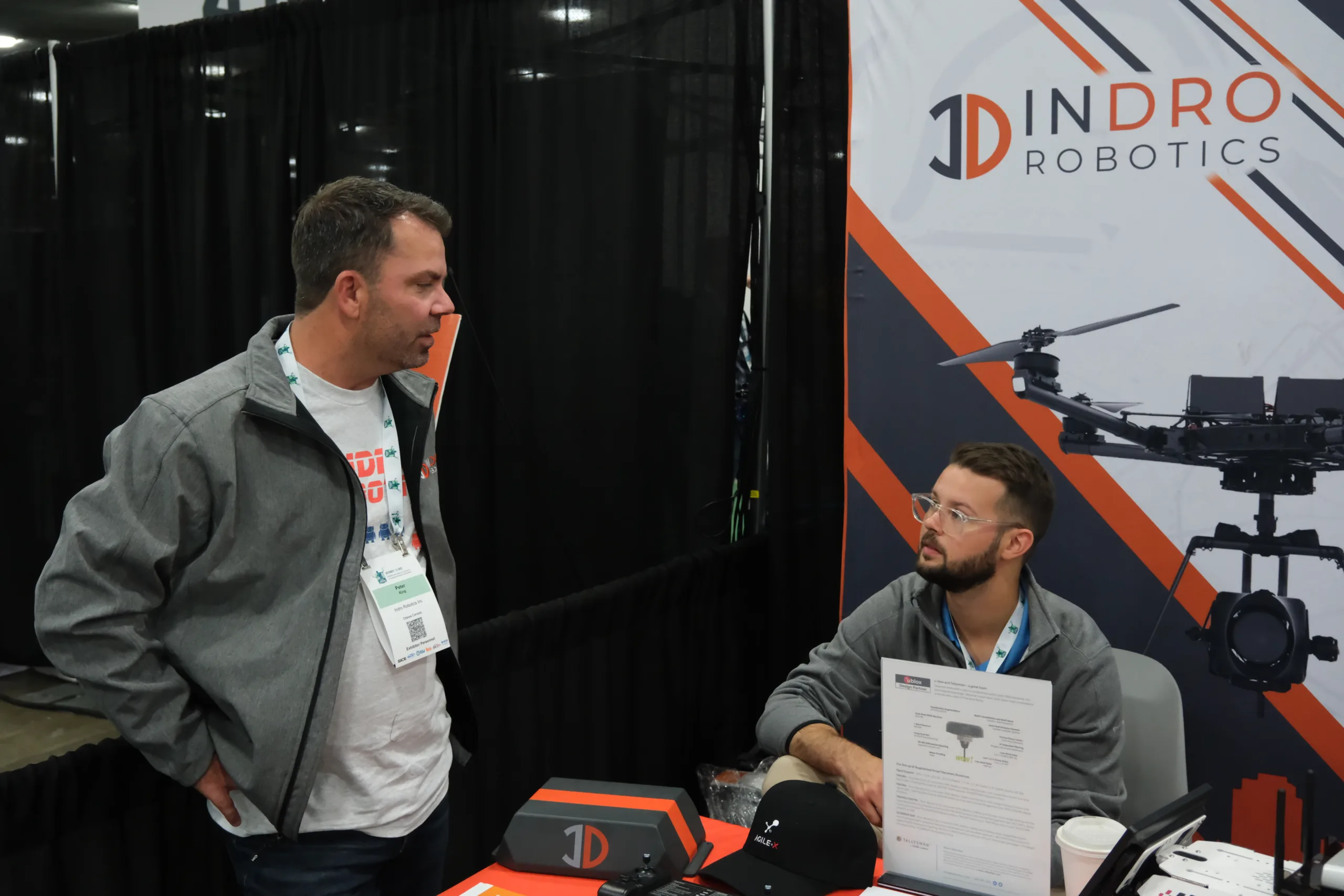
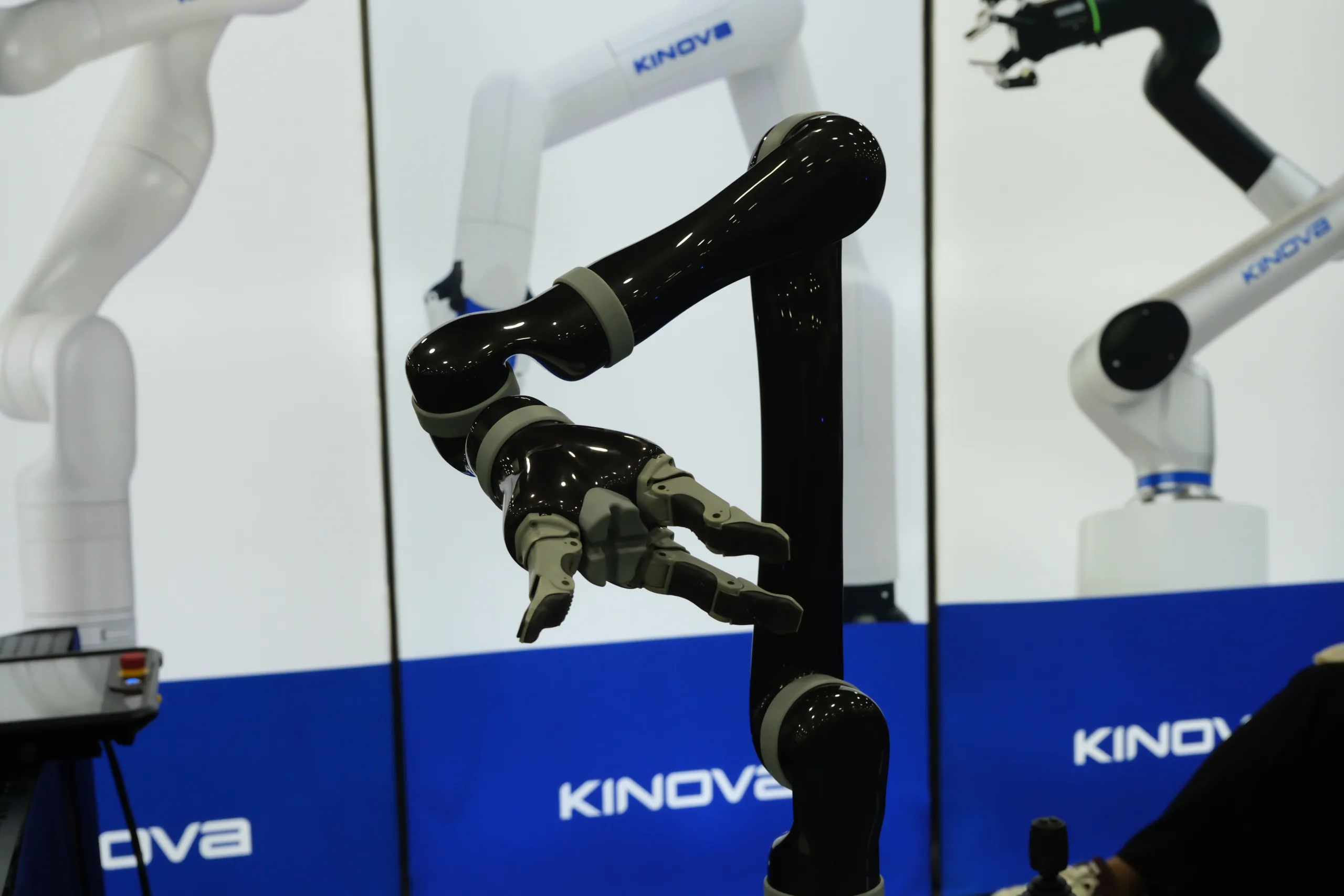
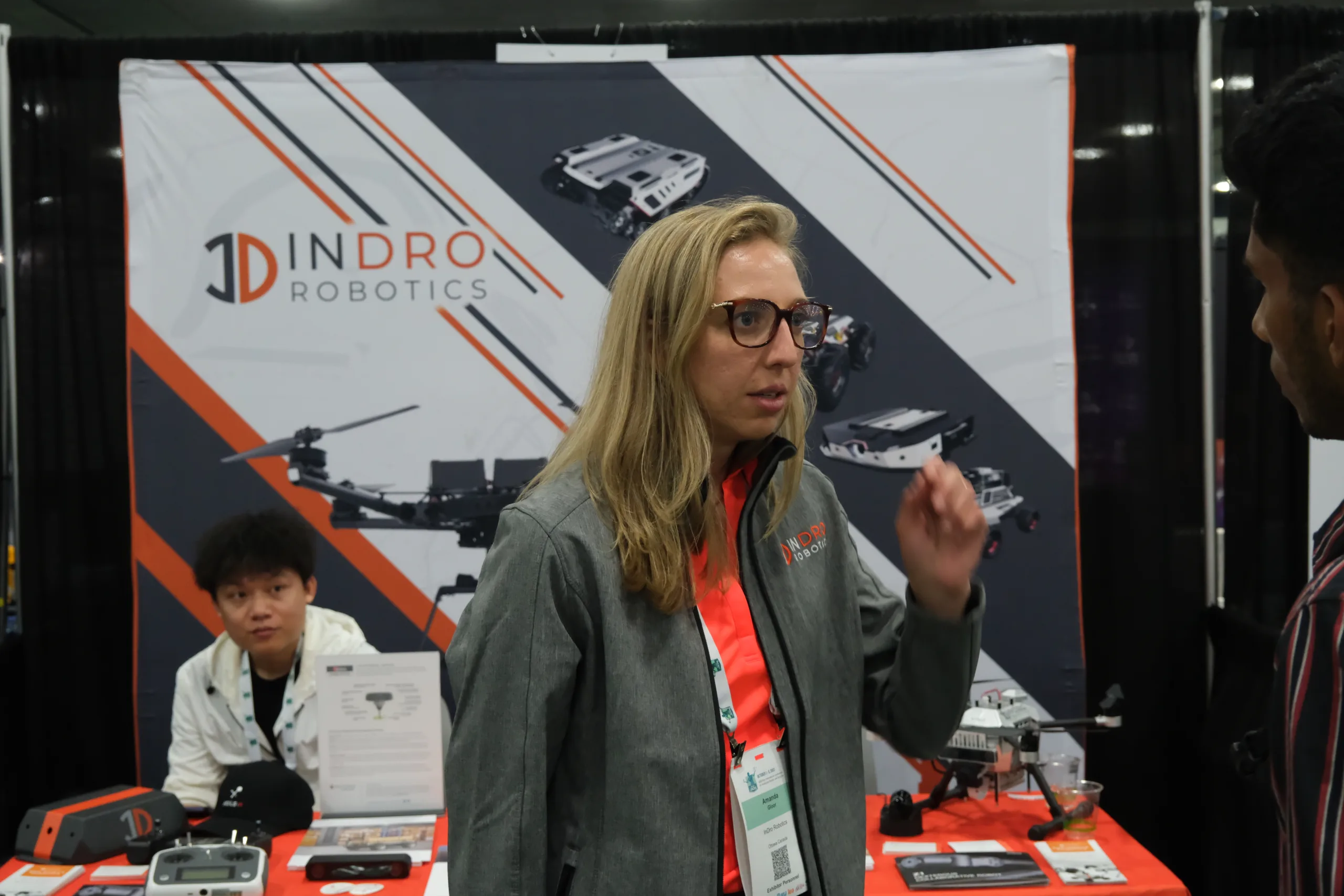
Here’s a look at a few highlights from last year’s event – including some of the really intriguing technologies on display:

InDro at TCXpo


Before we get into what InDro will be up to, it’s worth explaining the name of the event. “TC” stands for Transport Canada, which is a lead sponsor of the event. The regulator is interested, obviously, in the field of Smart Mobility – including drones, autonomous passenger-carrying vehicles and ground robotics. These technologies will all play increasing roles in the future, eventually becoming blended with existing infrastructure and traditional ground and air transportation.

The “X” stands for the location – Ottawa’s Area X.O.

Operated by Invest Ottawa, Area X.O is a research and development complex that is home to some of Canada’s leading R&D companies in the Smart Mobility space (including InDro Robotics). The facility is tailor-made for companies working on next-gen technology, complete with its own 5G network and private roads that can be used by Connected and Autonomous Vehicles. For companies building and testing next-gen technology, there’s nothing like being able to take robots and drones under development directly outside for test runs. It’s routine, when visiting Area X.O, to see all manner of robots and driverless vehicles being tested. It’s also where InDro has located its R&D headquarters, with a large engineering team.


WHAT INDRO WILL BE SHOWING


We’ve got quite a few things on tap for TCXpo.

We’ll be demonstrating a number of robots InDro has developed, including Sentinel. The teleoperated workhorse has been designed for remote monitoring and surveillance. It’s ideally suited to locations like electrical substations, which are normally located far from urban centres and would generally require a human being to travel to the site for regular check-ups. With robots like Sentinel, an operator can control the robot via a dashboard from hundreds or even thousands of kilometres away.

Thermal and close-up visual inspections can be carried out to look for any anomalies – without the time and expense of dispatching a person. Once the inspection is complete, Sentinel can automatically dock with a wireless charging system so that it’s ready for the next mission.

Though we’ve demonstrated Sentinel in the past, this year we’ll be showing new capabilities with its GPS Waypoint Autonomy software. This enables an operator to set up a repeatable routine using waypoints, allowing Sentinel to carry out missions with a human simply monitoring operations rather than remotely operating them.

Below: Sentinel, equipped with InDro Commander


Autonomous Robot

STREET SMART ROBOT


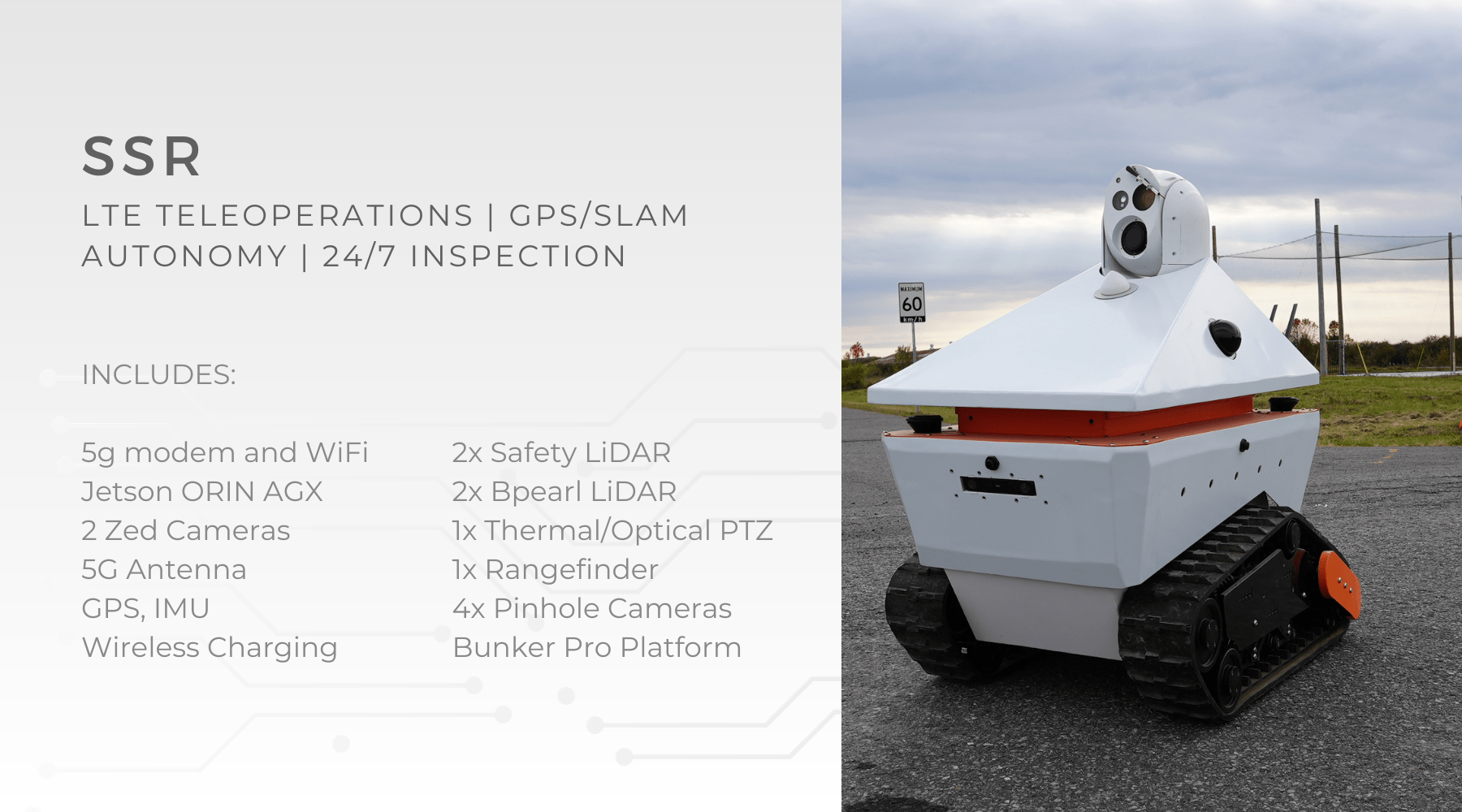
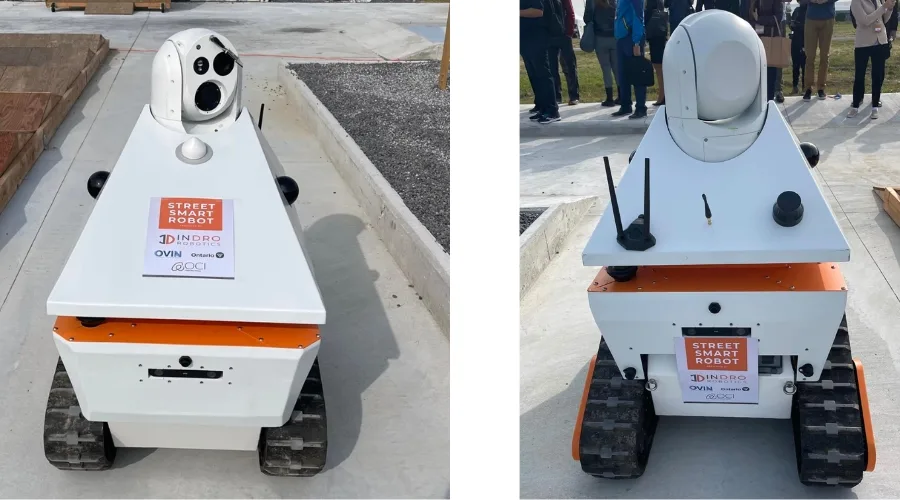
This is under wraps until TCXpo, but InDro Robotics will be unveiling a new Smart City robot, specifically designed to help monitor the conditions of bicycle lanes during winter. Whether it’s snow, ice, potholes or debris that might interfere with safe cycling, our Street Smart Robot will be able to detect problems so that city staff can be notified. We’ll be revealing details about this new creation – and you’ll be able to see it first-hand. A number of people have made comparisons with the design to the Tesla Cybertruck; we look forward to hearing your own impressions.


INDRO PILOT DEMONSTRATION


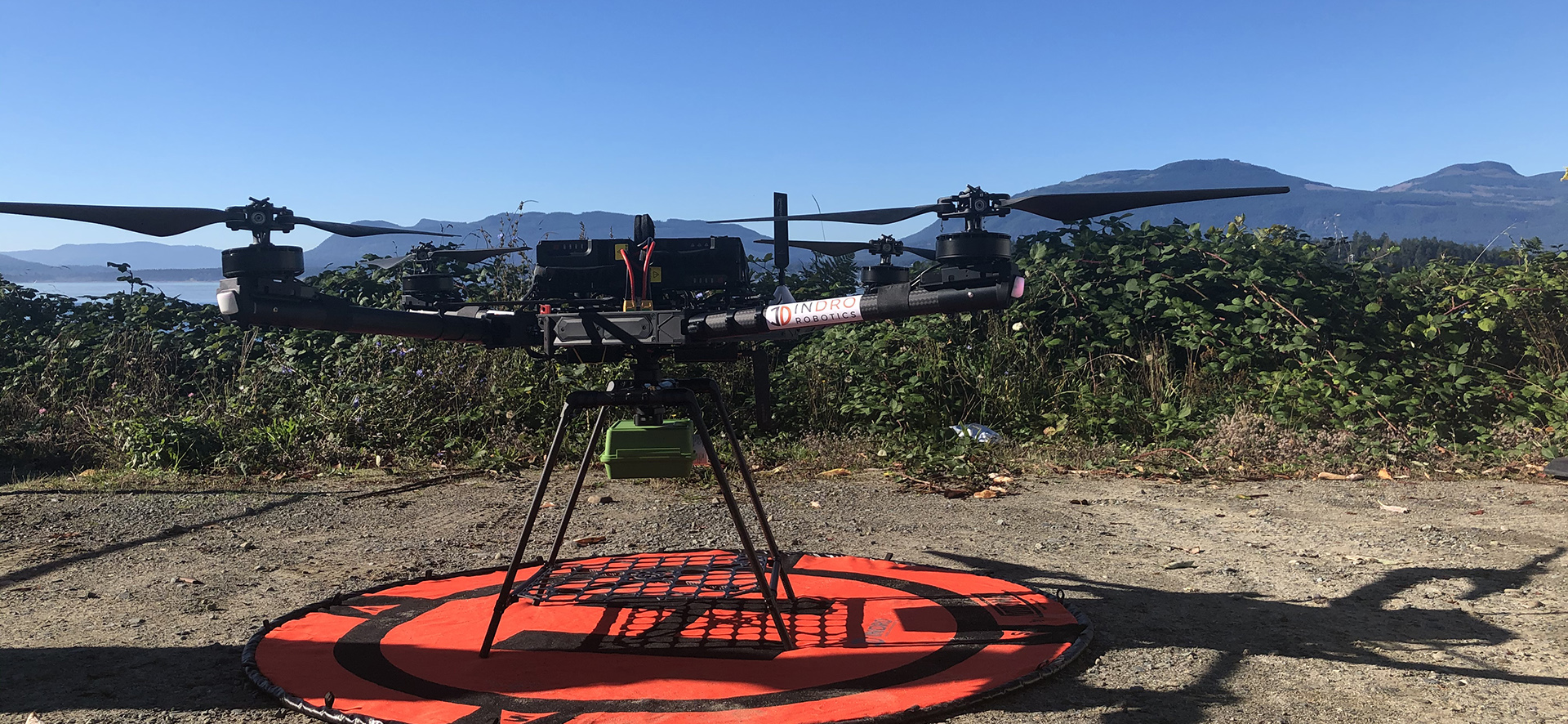
InDro Pilot is a hardware and software solution that literally gives superpowers to Enterprise Drones with Pixhawk flight controllers. Similar to InDro Commander, the hardware side includes a bolt-on module that contains a powerful EDGE computer, Robot Operating System (ROS1 and ROS2) software libraries, along with USB ports and power supplies to enable the rapid integration of other sensors.

But that’s not all. InDro Pilot has been designed to stream even highly dense data to the ground and cloud securely and simultaneously over 5G networks via a *really* high-speed modem. The software includes an easy-to-use dashboard for both manual and automated flights, including customizable windows for the output of each sensor.

Thinking about Beyond Visual Line of Sight flights? InDro Pilot is ready. Whether the operator is down the block or across the country, operations with virtually zero latency can be carried out over 5G. In addition, InDro Pilot includes a software-defined radio. This allows the automated broadcast of the drone’s altitude and position directly to nearby crewed aircraft over standard RF. In applications for Special Flight Operations Certificates, this capability is viewed as mitigating risk and making BVLOS safer.

Want to integrate additional sensors? No problem. The InDro Pilot software includes drag-and-drop modules for virtually any sensor you can imagine. Even a winch can be added – with the controls ready to go. The screengrab below is taken directly from our software. (If you’d like to take a deeper dive into the capabilities of the InDro Pilot system, you’ll find a comprehensive story here.)

INDRO FORGE


The other big development on our end recently has been an expansion. InDro Robotics and Invest Ottawa have formed a strategic partnership that sees InDro Robotics taking over the management and operations of the facility previously known as the Bayview Yards Prototyping Lab. The cutting-edge design and fabrication lab will now be known as InDro Forge – and will expand its offerings to include limited production runs and other specialty one-off fabrication.

The addition of InDro Forge to our portfolio means more options for inventors, entrepreneurs and Small to Medium Enterprises (SMEs) looking for assistance with the design and production of high-quality prototypes. Clients can literally walk in with a napkin sketch and work with the InDro Forge team toward a polished industrial design, followed by fabrication using some of the specialty on-site machines and processes. Those include:

  • CNC machining
  • Silicone and urethane casting
  • Multi-element 3D printing (including metal)
  • Electronics and Printed Circuit Board fabrication and analysis

Though InDro Forge is located at Bayview Yards, we’ll be talking about its capabilities at TCXpo. If you’re interested in a detailed look, ask us if we can line you up with a tour. (And if you’d like to read about InDro Forge in greater detail, check out this post.)


DARTT


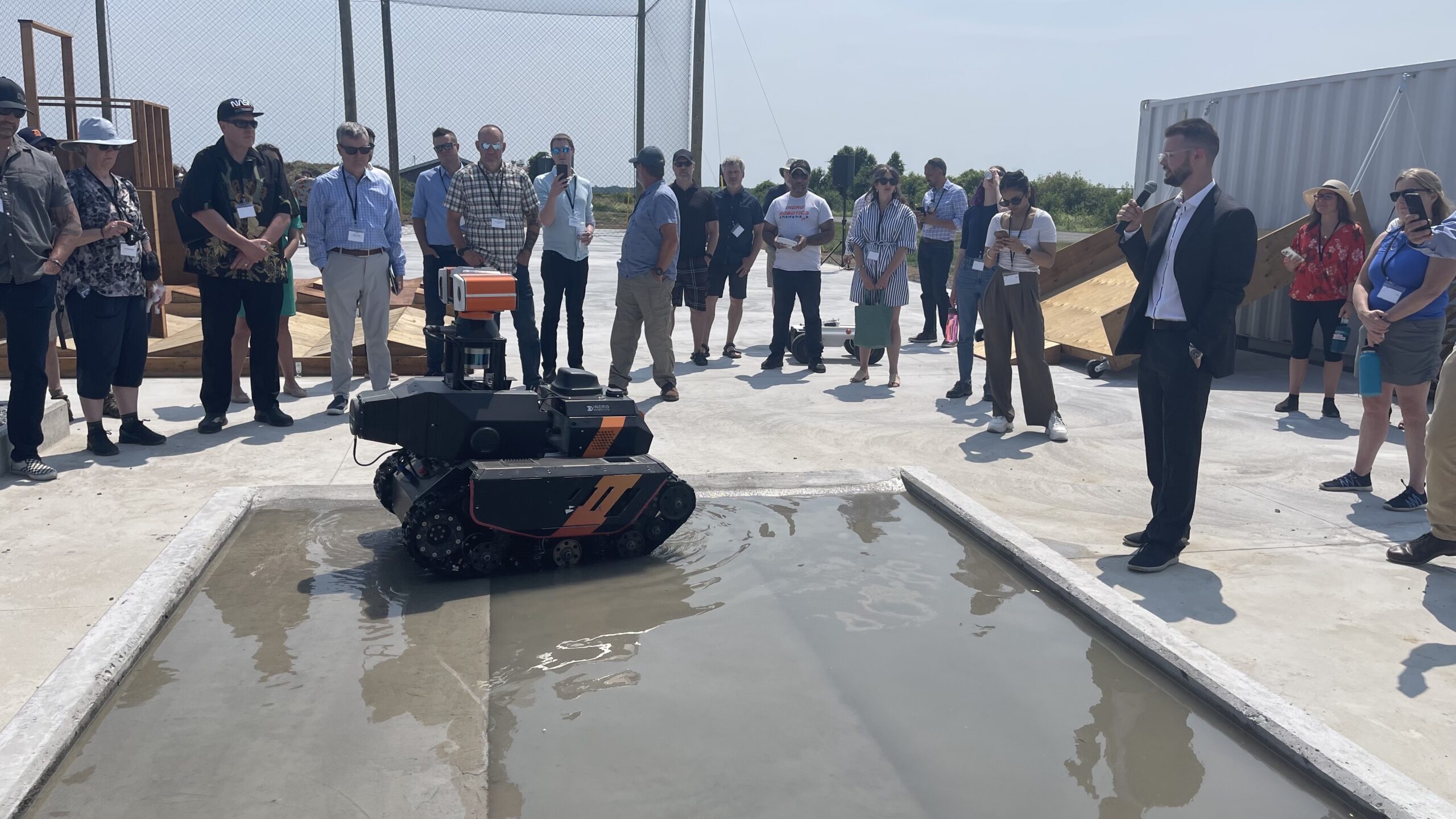
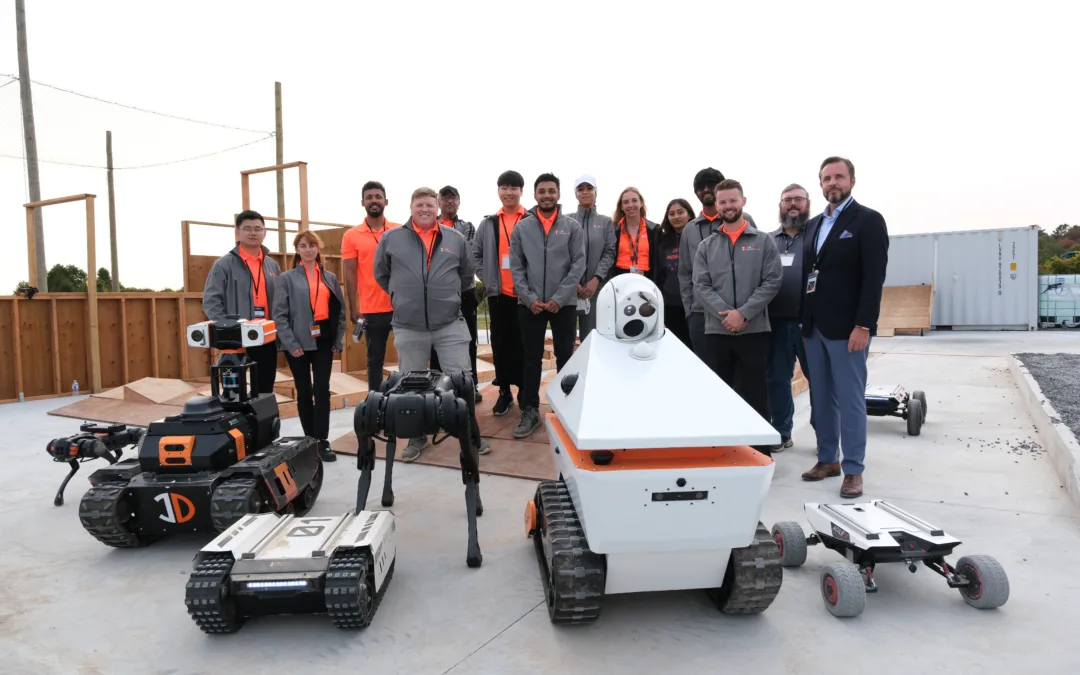
Plus, don’t forget about DARTT – Canada’s only Drone and Advanced Robot Training and Testing facility. Located at Area X.O, DARTT is designed to put ground robots through tests that conform to the rigorous criteria established by the National Institute for Standards and Technology (NIST). There are multiple surfaces designed to challenge agility, Ingress Protection, and incline capabilities. There’s also a huge netted enclosure to safely pilot and test drones, including those with new or experimental features that might normally require an SFOC if flown outside the confines of DARTT.

Team InDro will be running demos at DARTT throughout the day, including offering TCXpo attendees the opportunity to remotely operate a ground robot – and even pilot a drone. InDro operates the DARTT facility, and can also carry out RPAS Flight Reviews and custom training at the site.

If you think DARTT sounds cool, you’re absolutely right. How cool? Well, take a look at this:


INDRO’S TAKE


TCXpo is a great place to showcase technology, and we’re looking forward to demonstrating our latest innovations. But there’s much more to see than just InDro.

“TCXpo is a tremendous event for Canada’s Smart Mobility space,” says InDro CEO Philip Reece. “Transport Canada, Invest Ottawa and other sponsors really understand the transformative potential of these technologies and want to help showcase the industry-at-large. We’re pleased to participate, along with scores of other companies in this emerging sector.”

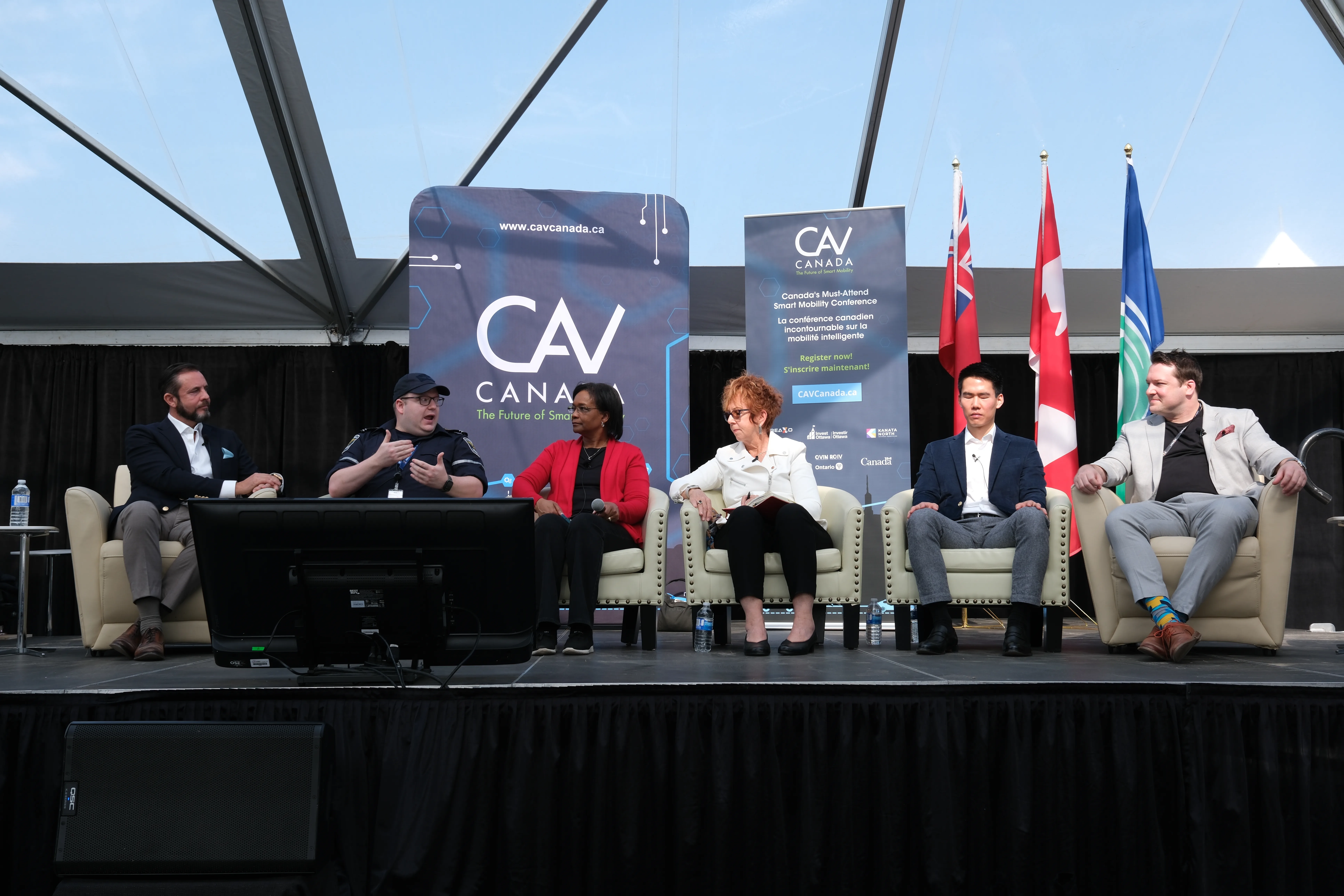
It’s actually a pretty big week in Ottawa. The day after TCXpo, Area X.O will host the annual CAV Canada event, a day of demonstrations, knowledge-sharing and networking devoted to Connected and Autonomous Vehicles and the companies that power them. Philip Reece will be hosting a panel at this year’s CAV Canada.

Finally, if you’re interested in attending TCXpo, you can register for free right here.


InDro Commander module streamlines robotics R&D

InDro Commander module streamlines robotics R&D

By Scott Simmie


Building robots is hard.

Even if you start with a manufactured platform for locomotion (very common in the case of ground robots), the work ahead can be challenging and time-consuming. How many sensors will require a power supply and data routing? What EDGE processing is needed? How will a remote operator interface with the machine? What coding will allow everything to work in unison and ensure the best data and performance possible? How will data be transmitted or stored?

That’s the hard stuff, which inevitably requires a fair bit of time and effort.

It’s that hurdle – one faced by pretty much everyone in the robotics R&D world – that led to the creation of InDro Commander.

InDro Commander

WHAT INDRO COMMANDER DOES


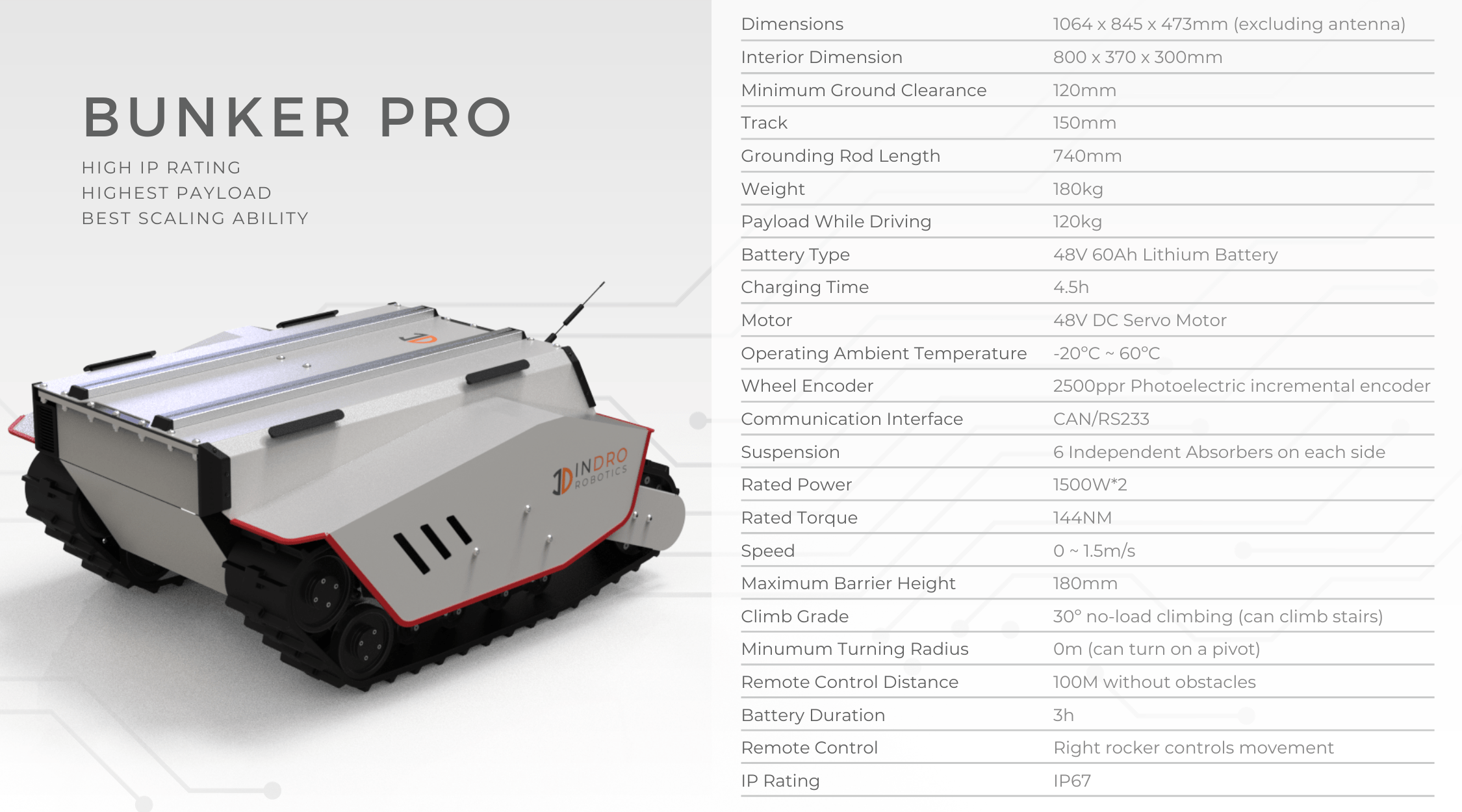
InDro Commander is a platform-agnostic module that can bolt on to pretty much any means of locomotion. In the photo above, it’s the box mounted on top of the AgileX bunker (just above the InDro logo).

Commander is, as this webpage explains, “a single box with critical software and hardware designed to simplify payload integration and enable turn-key teleoperations.” Whether you’re adding LiDAR, thermal sensors, RTK, Pan-Tilt-Zoom cameras – or pretty much any other kind of sensor – Commander takes the pain out of integration.

The module offers multiple USB inputs for sensors, allowing developers to decide on a mounting location and then simply plug them in. A powerful Jetson EDGE computer handles onboard compute functions. The complete Robot Operating System software libraries (ROS1 and ROS2) are bundled in, allowing developers to quickly access the code needed for various sensors and functions.

“Our engineering team came up with the concept of the InDro Commander after integrating and customizing our own robots,” says Philip Reece, CEO of InDro Robotics. “We realized there were hurdles common to all of them – so we designed and produced a solution. Commander vastly simplifies turning a platform into a fully functioning robot.”

Account Executive Luke Corbeth takes it further:

“The Commander serves as a “brain-box” for any UGV,” he says. “It safely houses the compute, connectivity, cameras, sensors and other hardware in an IP54 enclosure.”

It also comes in several options, depending on the client’s requirements.

“There are three ‘standard versions’ which are bundles to either be Compute Ready, Teleoperations Ready or Autonomy Ready,” adds Corbeth.

“I’ve realized over time that the value of Commander is our ability to customize it to include, or more importantly, not include specific components depending on the needs of the project and what the client already has available. In reality, most Commanders I sell include some, but not usually all, of what’s in the Commander Navigate. We’re also able to customize to specific needs or payloads.”

Below: Commander comes in multiple configurations

InDro Commander

COMMANDER DOES THE WORK


With InDro Commander, developers can spend more time on their actual project or research – and far less time on the build.

“For end-users wanting a fully customized robot, Commander saves a huge amount of time and hassle,” says InDro Engineering Lead Arron Griffiths. “Customers using this module see immediate benefits for sensor integration, and the web-based console for remote operations provides streaming, real-time data. Commander also supports wireless charging, which is a huge bonus for remote operations.”

Commander serves as the brains for several InDro ground robots, including Sentinel. This machine was recently put through its paces over 5G in a test for EPRI, the Electric Power Research Institute.


5G OPERATIONS


Depending on the model, Commander can also serve as a Plug & Play device for operations over 4G or 5G networks. In fact, InDro was invited by US carrier T-Mobile to a 2022 event in Washington State. There, we demonstrated the live, remote tele-operation of a Sentinel inspection robot.

Using a simple Xbox controller plugged into a laptop at T-Mobile HQ in Bellevue WA, we operated a Sentinel in Ottawa – more than 4,000 kilometres away. There was no perceptible lag, and even untrained operators were able to easily control remote operations and cycle between the Pan Tilt Zoom camera, a thermal sensor, and a wide-angle camera used for situational awareness by the operator. Data from all sensors was displayed on the dashboard, with the ability for the operator to easily cycle between them.

Below: T-Mobile’s John Saw, Executive Vice President, Advanced & Emerging Technologies, talks about InDro Commander-enabled robots teleoperating over 5G networks 


FUTURE-PROOF


Platforms change. Needs evolve. New sensors hit the market.

With Commander on board, developers don’t need to start from scratch. The modular design enables end-users to seamlessly upgrade platforms down the road by simply unbolting Commander and affixing it to the new set of wheels (or treads).

Below: Any sensor, including LiDAR, can be quickly integrated with InDro Commander

Teleoperated Robots

INDRO’S TAKE


You likely know the saying: “Necessity if the mother of invention.”

InDro developed this product because we could see its utility – both for our own R&D, and for clients. We’ve put Commander to use on multiple custom InDro robots, with many more to come. (We have even created a version of this for Enterprise drones.)

On the commercial side, our clients have really benefited from the inherent modularity that the Commander provides,” says Luke Corbeth.

“Since the ‘brains’ are separate from the ‘body,’ this simplifies their ability to make the inevitable repairs or upgrades they’ll require. These clients generally care about having a high functioning robot reliably completing a repetitive task, and Commander allows us to operate and program our robots to do this.”

It can also save developers money.

“On the R&D side, the customizable nature of the Commander means they only purchase what they don’t already have,” adds Corbeth.

“For instance, many clients are fortunate enough to have some hardware already available to them whether it’s a special camera, LiDAR or a Jetson so we can support the integration of their existing systems remotely or they can send this hardware directly to us. This cuts down lead times and helps us work within our clients’ budgets as we build towards the dream robot for their project.”

Still have questions or want to learn more? You can get in touch with Luke Corbeth here.

InDro Robotics expands with InDro Forge prototyping & custom fabrication

InDro Robotics expands with InDro Forge prototyping & custom fabrication

By Scott Simmie


InDro Robotics is pleased to announce it is now managing InDro Forge – a prototyping and custom fabrication facility utilising tools including metal 3D printing, CNC machining, silicone and urethane casting, and more.

The facility is located in Ottawa, and was formerly known as the Bayview Yards Prototyping Lab. Previously run by Invest Ottawa, the facility is a “one stop shop” for entrepreneurs and Small to Medium Enterprises (SMEs) seeking the custom design and fabrication of prototypes. The location features a variety of tools for additive and subtractive manufacturing all under one roof – along with a team with the requisite expertise. InDro Forge also plans expand into other areas, including limited production runs and other custom fabrication for specialty sectors.

The strategic partnership with Invest Ottawa brings InDro’s R&D and engineering expertise to The Forge, while Invest Ottawa will promote the facility and its capabilities to potential clients.

For both partners, this is a perfect match.

We look forward to enhancing this already-excellent facility and broadening its capabilities and services,says InDro Robotics CEO Philip Reece. This is a great fit for InDro, and were truly excited about the possibilities for existing and new clients.

There’s equal enthusiasm from Invest Ottawa:

InDro Robotics is an ideal partner for our prototyping lab, Invest Ottawa, and the many innovators and companies we serve,” said Michael Tremblay, President and CEO of Invest Ottawa. We look forward to building on our strong collaboration at Area X.O, and helping firms leverage the evolving prototyping and production capabilities available through InDro Forge to accelerate their technology commercialization and business growth. We are excited to house this expertise right here at Bayview Yards, our innovation hub.” 

Let’s dive in.

Below: This 3D printer can create products in a variety of metals, including titanium.


InDro Forge

RAPID PROTOTYPING – AND MORE


The facility has already built a reputation for its work with rapid prototyping. Inventors, startups and SMEs have walked through the door with an idea for a prototype. They might want it for a proof of concept, a Minimum Viable Product – or simply as a working model to take and show investors.

Working with staff, they receive a full-fledged industrial design that is then fabricated in any one (or combination) of a number of materials. (The 3D printer alone can work with some 25 substances, including ABS and metal.) The Bayview Yards Prototyping lab built an excellent reputation for this kind of work. It was also an all-in-one solution for companies that didn’t have the equipment, time or expertise to carry out this highly specialised work.

Now, with InDro Robotics at the helm, we anticipate significant synergy between our Area X.O engineering team and the experts at InDro Forge. The latter will be able to draw on the expertise in aerial and ground robotics from our core R&D engineering hub. In turn, InDro Robotics will be able to add the design and fabrication capabilities of InDro Forge to its portfolio of services. What’s more, InDro has plans to extend the offerings of the lab, offering limited production runs and other custom fabrication services.

“We see the value when people come to us with a napkin sketch and leave with a physical prototype they can show investors,” says InDro Forge’s Pablo Arzate, an industrial designer with special expertise in additive manufacturing. He also sees synergy in the transition to InDro Robotics. 

“I personally am very excited – I feel like its meant to be,” he says. 

Below: Advanced capabilities include a water jet machine, capable of slicing through several inches of steel

Advanced Manufacturing

THE INDRO FORGE ADVANTAGE


For startups and SMEs, there’s a clear advantage to outsourcing prototypes and other complex design and fabrication to InDro Forge. Few companies, particularly smaller ones, have this kind of equipment and in-house expertise. InDro Forge is equipped with a wide array of additive and subtractive manufacturing capabilities, including:

  • CNC machining
  • Silicone and urethane casting
  • Multi-element 3D printing (including metal)
  • Electronics and Printed Circuit Board fabrication and analysis

There’s much more, of course. But none of those machines or capabilities would be much use without the highly skilled InDro Forge team members. With backgrounds in industrial design and engineering (and many years of experience), they’re experts in multiple fabrication processes. The core team that worked with Invest Ottawa have stayed on and are now working with InDro Robotics. We’re pleased to welcome:

  • Joel Koscielski, Senior Manager of Design and Fabrication (and a mechanical engineer)
  • Pablo Arzate, Industrial Designer
  • Tom O’Leary, Fabricator and Machine Operator (and metal sculptor!)

For those seeking custom and complex fabrication, the InDro Forge advantage is clear.

“If you don’t have these machines at your disposal, it’s definitely great to find a place with the expertise to help you out,” says O’Leary. “If you don’t have these capabilities then we are here to help create the thing that you’re looking to create. We’re set up to help anybody who comes in with anything from an engineering project to a napkin drawing.”

InDro Forge offers services ranging from one-off prototypes to full product development.

Some of our other clients come to us where they have an early prototype that they’ve cobbled together. It tells them that their idea is possible but it’s not a product yet,” says Joel Koscielski. “So we’ll help them turn that into a more refined version of itself. We might do one of those, we might do five – even 25.”

Projects can be big – or small.

“Sometimes it’s just that extra bit of capacity – they themselves have never had to make a sheet metal box that looks good,” adds Koscielski.

Below: You dream it, they can make it. From L-R, Koscielski, Arzate and O’Leary


FAVOURITE MACHINES


With all of those sophisticated fabrication capabilities in-house, you might guess that team members at InDro Forge have their own favourite machine. And you’d be right.

“My favorite machine is most definitely the Markforged II, it just stands out as a remarkable piece of engineering,” says Pablo Arzate.

“Its precision and versatility in 3D printing technology never cease to amaze me. The Markforged II’s ability to fabricate parts with carbon fiber and nylon on top of reinforcement fiber materials, including carbon fiber, glass fiber, and kevlar, opens up a world of possibilities for product development and rapid prototyping. Whether I’m creating intricate prototypes or functional components, the Markforged II consistently delivers impeccable results, making it an indispensable part of my creative and engineering endeavors.”

For Tom O’Leary, it’s the water jet – which uses a precision stream of water mixed with fine grit under immense pressure to cut and shape just about anything.

“My favourite piece in the shop is the giant basin of water,” he laughs. “It cuts with 55,000 PSI coming out of a tiny nozzle; it’s like having a saw with a calligraphy pen at the end of it. It’s absolutely capable of cutting through six inches of anything ranging from steel to glass to acryclic.”

And Joel Koscielski? He’s also particularly fond of the Markforged Mark II 3D Printer. 

“As a Fused Deposition Modelling printer using a carbon fiber reinforced nylon composite material – which has the ability to embed other continuous fiber structures into the parts – it is a true workhorse of innovation,” he says.

“On top of its use for functional parts for prototypes and products alike, its quality and surface finish allow me to make parts which can be used in sales or demonstration environments on the exterior of prototypes, not just on the inside. This is further complimented by a range of innovative solutions our team has developed such as interior metal reinforcement structures to push its parts into new and exciting areas of us.”

InDro Forge

INDRO’S TAKE


This is a major development for InDro Robotics, and we have big plans for InDro Forge. We’re excited to expand our team with the talented crew at InDro Forge and look forward to serving clients large and small.

“This is really just such a logical fit for InDro Robotics,” says CEO Philip Reece. “Whether it’s working with new clients or assisting our own, InDro Forge has all the right stuff – including the right people.”

We’ve issued a news release on the new transition/strategic partnership. You can find that right here.

Rockwell Automation to purchase Clearpath Robotics

Rockwell Automation to purchase Clearpath Robotics

By Scott Simmie


There’s some big news in the Canadian robotics world.

US-based Rockwell Automation, which describes itself as “the world’s largest company dedicated to industrial automation and digital transformation” has announced it has signed an agreement to purchase Canadian company Clearpath Robotics.

Clearpath is known for its Autonomous Mobile Robots (AMRs), many of which are designed to move heavy loads inside warehouses. In fact, Clearpath has an entire division – OTTO Motors  which specialises in AMRs, along with software for fleet management and navigation.

These are the kinds of vehicles we’re talking about – which can clearly aid in efficiency:

THE NEWS


Word of the planned acquisition case in a September 5 news release from Rockwell Automation. 

“Rockwell Automation, Inc. (NYSE: ROK)…today announced it has signed a definitive agreement to acquire Ontario, Canada-based Clearpath Robotics Inc., a leader in autonomous robotics for industrial applications. Autonomous mobile robots (AMRs) are the next frontier in industrial automation and transformation, and this acquisition will supercharge Rockwell’s lead in bringing the Connected Enterprise to life.”

If you’ve been following the robotics world in the past few years, you’ll be aware that the use of robotics has gone far beyond industrial arms welding car frames or lifting parts into place. Robots have increasingly been deployed to warehouses and other industrial settings to increase efficiency and reduce repetitive and arduous manual labour for human beings. Moving, packing and tracking have become huge – and an increasingly integral part of the supply chain and inventory management. Rockwell Automation clearly sees OTTO Motors as part of its solution going forward:

“Transporting parts and materials to assembly lines and between manufacturing cells is one of the industry’s most complex and inefficient tasks, often resulting in production bottlenecks,” states the release.

“Autonomous production logistics will transform the workflow throughout a manufacturing plant, enabling substantial reductions in cost and greater operational efficiency…Combined with Rockwell’s strong continuing partnerships in fixed robotic arms, solutions such as Independent Cart Technology, and traditional leadership in programmable logic controllers (PLCs), the addition of OTTO Motors’ AMR capabilities will create a complete portfolio of advanced material handling solutions unmatched in the industry.”

The release seems to make it clear that Rockwell Automation sees OTTO Motors as the jewel in the crown. Here’s another look at some of the OTTO Motors AMR solutions:

A GROWING MARKET


The news release cites research from Interact Analysis, which points to strong growth in this field in the coming years. Demand for AMRs in manufacturing, says the release, is slated to grow at 30 per cent annually over the next five years, “with an estimated market size of $6.2 billion by 2027.”

“Rockwell and Clearpath together will simplify the difficult and labor-intensive task of moving materials and product through an orchestrated and safe system to optimize operations throughout the entire manufacturing facility,” said Blake Moret, Chairman and CEO, Rockwell Automation.

“The combination of autonomous robots and PLC-based line control has long been a dream of plant managers in industries as diverse as automotive and consumer packaged goods. With Clearpath, Rockwell is uniquely positioned to make that dream a reality across virtually all discrete and hybrid verticals, optimizing planning, operations, and the workforce.”

Clearpath is said to have about 300 employees, with the majority working within the OTTO Motors division. And, not surprisingly, is pleased with the news.

“Industrial customers are under ever-increasing pressure to do more with less. Autonomous production logistics is becoming a necessity to meet targets and stay competitive,” says Matt Rendall, co-founder and CEO of Clearpath.

“We are excited to join Rockwell and help expand their leadership position in advanced material handling. Together, we will create safer and more productive workplaces with autonomous technology.”

Indro Robotics Vice-President Peter King, who previously worked at Clearpath, has this to say about the acquisition.

“It’s a great opportunity for Rockwell to take on an industry leader in this space at a time when AMRs are about to become the norm,” says King. “Rockwell’s size and market penetration should bode well for global growth.”

The news release goes on to explain how the two companies are a natural fit:

“Data from Rockwell’s offerings and OTTO Motors’ AMRs will be harnessed in artificial intelligence-powered Software as a Service information management applications, such as those by Rockwell’s Plex and Fiix businesses,” it states.

“With this, Rockwell will deliver a unified solution for manufacturing, enabling autonomous execution and optimization to increase efficiency and allow for traceability and real-time adjustments.

INDRO’S TAKE


There aren’t a whole lot of Canadian companies manufacturing robots – let alone with multiple offerings aimed at the warehouse/industrial sector. Clearpath was an early leader on the Canadian robotics scene, and its OTTO Motors division produces some impressive offerings.

“Clearpath got into ground robotics early – and over time really carved out a niche for itself, particularly with OTTO Motors,” says Indro Robotics CEO Philip Reece.

“Robotics is a highly competitive space these days. Rockwell Automation clearly sees some synergy here with its own products and clients. We congratulate Clearpath on this acquisition, and look forward to what we assume will be continued success in the AMR market.”

Clearpath Robotics was founded in 2009 and launched its OTTO Motors division in 2015. Rockwell Automation is headquartered in Milwaukee, Wisconsin, and employs 28,000 people serving clients in more than 100 countries.

InDro Robotics flies in urban wind tunnels for National Research Council project

InDro Robotics flies in urban wind tunnels for National Research Council project

By Scott Simmie


Flying a drone in dense urban settings comes with its own set of challenges.

In addition to following regulations laid out in the Canadian Aviation Regulations (CARs) Part IX, operators have to contend with other factors. Helicopters, for example, routinely share urban airspace. And, in addition to surrounding buildings, streets are generally more densely packed with people and vehicles than other locations.

But there’s another factor that can really cause problems: Wind.

Airflow in urban centres is very different from rural settings. The close proximity of multiple buildings can amplify wind speed and create tricky – and invisible – areas of turbulence. These can cause havoc for operators, and potentially for people and property on the ground.

That’s why the National Research Council, in conjunction with Transport Canada and other partners, is conducting research on urban airflow.

Below: The view from the InDro dashboard, showing a wishbone-shaped appendage carrying two anemometers

NRC Urban Wind Tunnel Eric

WHY THE RESEARCH?


The National Research Council is helping to prepare for the future of Urban Air Mobility. That’s the coming world where intra-urban drone flights are routine – and where airspace is seamlessly shared with traditional crewed aircraft. As the NRC states on this page:

“The vertical take-off and landing capability of UAS promises to transform mobility by alleviating congestion in our cities.”

As part of its seven-year Integrated Aerial Mobility program (launched in 2019), the NRC has already been working on developing related technologies, including:

  • “optical sensor-based detect-and-avoid technologies to assist path planning of autonomous vehicles
  • “drone docking technologies to support contact-based aerial robotics tasks
  • “manufacturing of high-density and safe ceramic lithium batteries to enable low-emission hybrid-electric propulsion”

The NRC is also interested in wind. Very interested.


DRONE FLIGHTS IN URBAN CENTRES


Drone delivery – particularly for medical supplies and other critical goods – will be part of this world before long (home deliveries will likely come eventually, but not for some time). In the not-so-distant future, it’s likely that specific air corridors will be set aside for RPAS traffic. It’s also likely, eventually, that an automated system will oversee both drone and crewed aircraft flights to ensure safety.

Part of the path to that future involves looking at the unique characteristics of urban wind patterns – along with the potential challenges they pose to drone flights. Are there certain locations where increased wind speed and turbulence pose a greater risk to safe RPAS operations? What wind speeds might be deemed unsafe? Can data gathered help lead to guidelines, or even additional regulations, for operations in cities? If the speed of wind at ground level is X, might we be able to predict peak turbulence wind speeds? Might drone manufacturers have to revise their own guidelines/parameters to take these conditions into account?

Those are the questions that interest the National Research Council, in conjunction with Transport Canada and other partners. And InDro Robotics is helping to find the answers.

Below: A DJI M300 drone, modified by InDro and specially equipped with anemometers to detect windspeed while avoiding prop wash

NRC Urban Wind Tunnel Eric

RESEARCH


Previous studies have shown that turbulence caused by buildings can indeed impact the stability of RPAS flights. Now, the NRC is keen on digging deeper and gathering more data.

The research is being carried out by NRC’s Aerospace Research Centre, in conjunction with a number of partners – including McGill University, Montreal General Hospital, CHUM Centre Hospital, InDro Robotics and others. The flights are being carried out by InDro’s Flight Operations Lead, Dr. Eric Saczuk (who is also head of RPAS Operations at the BC Institute of Technology).

Urban environments create a variety of exacerbated micro-level wind effects including shear, turbulence and eddies around buildings. These effects can locally increase reported wind speeds by up to 50 per cent,” says Dr. Saczuk.

InDro has been involved with this research for three years – with earlier flights carried out in the NRC’s wind tunnel. Now, the testing has become more real-world. InDro flies a specially equipped DJI M300. The wishbone-shaped appendage in the photo above carries two tiny anemometers placed specifically to capture windspeed and variations without being affected by the thrust generated by the rotors. The drone is also equipped with an AVSS parachute, since these flights take place over people.


THE MISSIONS


Some months prior to the flights, the NRC installed fixed anemometers on the roofs of the hospitals mentioned above. This allowed researchers to obtain a baseline of typical wind speeds in these areas. Then came the flights.

Part of our mission is to fly the drone over three different rooftops and lower the drone to hover at 60m and 10m above the anemometer station,” says Dr. Saczuk.

“This allows NRC to compare the wind data recorded by the static anemometers with data captured by the mobile anemometers on the drone. Our launch sites are from the CHUM Centre Hospital and the Montreal General Hospital, which are about three kilometres apart with a pilot at each location. Additionally, we’ll be flying the drone from one hospital to the other and also along an ‘urban canyon’ between the three rooftops.”


NRC Urban Wind Tunnel Eric

CHALLENGES


Flying in urban locations always requires additional caution. The research also demands very precise altitudes while capturing data – along with piloting with the anemometers attached to the drone.

Gathering the data always has its challenges – especially when operating over a dense downtown core such as Montreal,” he says.

“Many months of planning led to two days of successful data capture on July 26 and 27. One of the main challenges is maintaining C2 connectivity amongst the tall buildings. Another consideration is ensuring a proper center of balance with the added payload well forward of the aircraft. Resultingly, flight endurance is shortened due to the extra load on the motors and thus we had to modify our flight plans to account for this. We learned a lot during the first two days of data capture!”

For Dr. Saczuk, this is a particularly rewarding research project. Why?

Quite simply because it’s cutting-edge and involves RPAS,” he says.

“We have established a great relationship with the test facility at NRC and Transport Canada, so to know that InDro is involved in helping to understand the potentially adverse effects of flying RPAS around tall buildings for the purpose of making these flights safer feels very rewarding. Personally, I also enjoy challenging missions – and this may well be the most challenging mission I’ve ever flown!”

Below: The M300, equipped with the anemometers and looking a bit like a Scarab beetle. The sharp-eyed will notice that the two anemometers are mounted vertically and horizontally

NRC Wind Tunnel Eric

INDRO’S TAKE


InDro Robotics has a long history of involvement with research projects and other partnerships with academia. We are particularly drawn to projects that might have a positive and lasting impact on the industry-at-large, such as this one.

“Urban wind tunnels and turbulence have the potential to disrupt even a well-planned RPAS mission,” says InDro CEO Philip Reece. 

“As we move toward more routine drone flights in urban centres, it’s important to capture solid data so that evidence-based decisions can be made and Best Practices evolve. This research will prove valuable to the Canadian RPAS industry – by helping to ensure safer urban drone operations.”

The research is ongoing; we’ll provide updates when further milestones are hit.